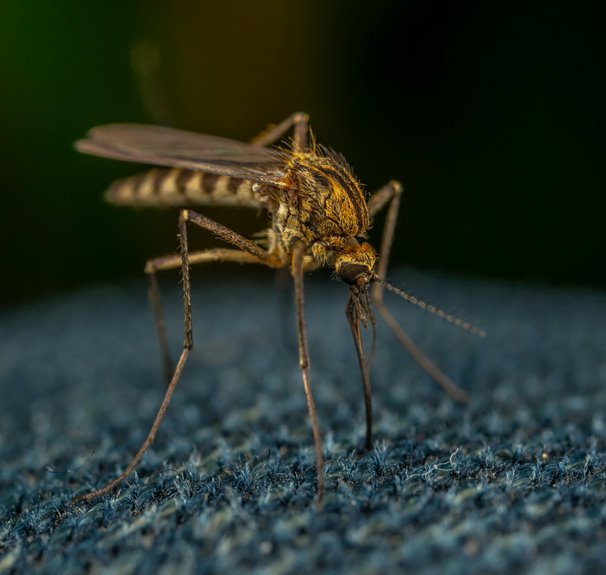
I’d tackle your mosquito problem by starting where most people miss: standing water. Even a bottle cap’s worth breeds thousands of larvae, so check your gutters, birdbaths, plant saucers, and old tires weekly—drain everything after rain. For water you can’t empty, use Bti donuts or methoprene to stop larvae before they mature. Then trim your grass short, prune dense shrubs, and spray adult mosquitoes at dusk with residual treatments. Layer in fans, screens, and bug spray for faster results. The specifics of each strategy make all the difference.
Why Standing Water Is Your Biggest Mosquito Problem

Why do mosquitoes seem to multiply overnight in your backyard? I’ve discovered the answer: standing water. Even a bottle cap’s worth creates a mosquito breeding ground, and I’ve learned that clogged gutters, forgotten birdbaths, and neglected pools become larval factories. What surprised me most was realizing how tiny these breeding sites can be—a sagging tarp, a tire, a plant saucer. Each one harbors thousands of developing larvae.
I’ve tackled water management by emptying containers weekly and scrubbing potential breeding sites. For standing water I can’t eliminate, I’ve turned to larval-control products like Bti dunks. These target larvae before they mature into biting adults, disrupting the entire mosquito life cycle. Understanding this connection between standing water and mosquito breeding has transformed my backyard from a mosquito haven into something I actually enjoy.
Eliminate Standing Water: Yard-by-Yard Checklist
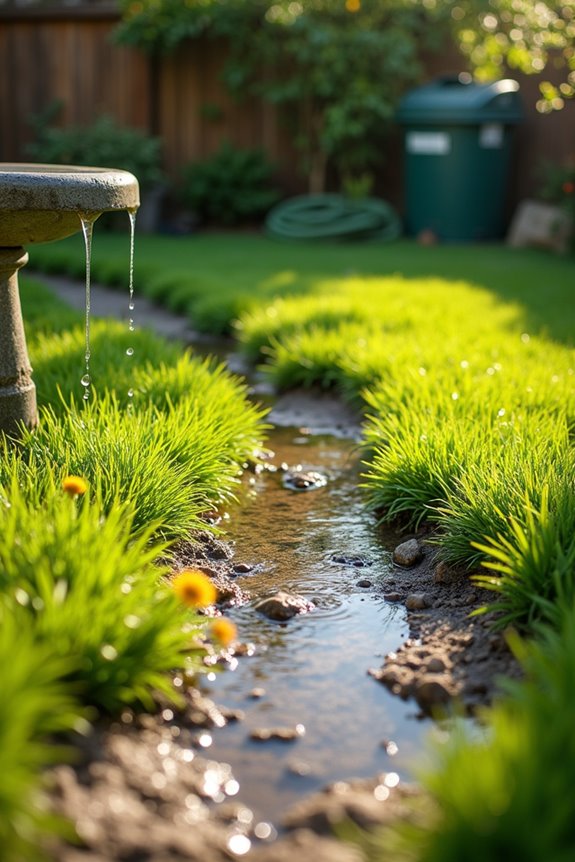
I’ve found that tackling mosquito breeding grounds means systematically checking every corner of my yard where water might collect, because these pests don’t need much—just a small puddle or forgotten birdbath to start their lifecycle. You’ll want to create a mental map of common culprits: bird baths, gutters, plant saucers, old tires, and those random buckets we all leave lying around, then commit to inspecting them at least weekly. The good news is that once you establish a regular maintenance routine and drain water after each rainfall, you’re essentially cutting off the mosquitoes’ nursery before they’ve even had a chance to grow.
Common Water Sources
Where do mosquitoes actually breed in your backyard? I’ve discovered they’re hiding in plain sight around my home. Standing water in bird baths, plant saucers, and buckets become mosquito nurseries within days. I’ve learned to check my gutters and rain barrels weekly, since even small amounts of collected water invite egg-laying. Low spots that puddle after rain, forgotten toys, and tree holes all pose risks.
| Common Water Source | Risk Level | My Solution |
|---|---|---|
| Bird baths & saucers | High | Empty weekly |
| Gutters & downspouts | High | Clean regularly |
| Rain barrels | Medium | Screen tightly |
Proper drainage around my yard prevents pooling, while I keep water containers covered. By targeting these specific spots, I’ve dramatically reduced mosquito populations without harsh chemicals.
Prevention and Maintenance
Knowing where mosquitoes breed is only half the battle—actually stopping them requires consistent action around your yard. I’ve found that weekly inspections transform my backyard maintenance routine into genuine mosquito prevention. I check plant saucers, bird baths, gutters, and toys for standing water, scrubbing or emptying each one. I’ve sealed my water storage containers with mesh screens, filled tree holes with expandable foam, and drained my pond weekly to disrupt larval control. I keep my grass trimmed short—under two inches—and prune overgrown shrubs where mosquitoes rest during daylight. These breeding sites disappear when I stay consistent. It’s not complicated, just deliberate. Once I adopted this habitat reduction approach, I actually noticed fewer mosquitoes bothering me during evening gatherings. The effort pays off.
Control Mosquito Larvae in Water You Can’t Drain
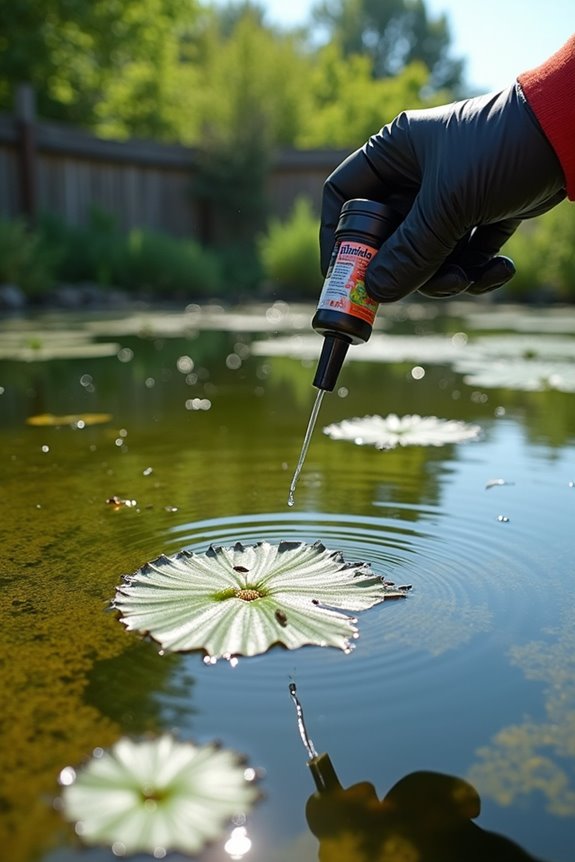
When I’ve got water I can’t drain or cover, I’ve found that larvicides are my best defense, and I’ll walk you through the options that actually work. You’ll want to look for Bti formulations—those donut-shaped or granular products target mosquito larvae without harming beneficial insects—or consider methoprene, an insect growth regulator that keeps working longer in artificial ponds and rain barrels. The key is matching the right product to your water source, following the label directions carefully, and staying on top of reapplication schedules so those larvae never get a chance to become biting adults.
Larval-Control Product Options
How’d you like to stop mosquitoes before they even take flight? I’ve found that targeting larvae in standing water is genuinely game-changing, and I’m excited to share what works.
Bti formulations—those convenient donut or granule products—are my go-to for ponds and decorative features. They’re specifically designed to eliminate larvae while leaving other creatures unharmed, which honestly feels responsible.
For longer-lasting protection in artificial ponds or rain barrels, I’ve had success with methoprene, an insect growth regulator that keeps working over time. The key? Always check water treatment labels carefully before applying anything.
I combine these larval-control products with standing water reduction, addressing sources directly. By treating only water where larvae actually exist, I’m maximizing effectiveness while minimizing waste. It’s straightforward, sustainable mosquito management.
Bti And Methoprene Formulations
Now that you’ve reduced standing water where you can, let’s tackle the sources you’re stuck with—those permanent ponds, rain barrels, and birdbaths that mosquitoes love. I’ve found two powerful larvicides that work differently, giving you flexibility with your aquatic habitats.
Bti, short for Bacillus thuringiensis israelensis, is a bacteria that targets mosquito larvae while leaving other creatures alone. It comes as donuts or granules you simply drop into water. Methoprene works differently—it’s an insect growth regulator that disrupts larvae development and lasts longer, perfect for spots you can’t treat frequently.
Both options have formulation labels spelling out exactly when and where to use them. I always check those labels carefully because timing matters. Choose based on your water source and how often you’re willing to treat it. Either way, you’re taking real control.
Application Timing And Labels
Because these larvicides only work when conditions align, I’ve learned that reading the label isn’t just a formality—it’s the difference between success and wasted effort. Each product—whether Bti donuts or methoprene granules—has specific application timing windows that matter tremendously. I check labels carefully to understand when to treat my water bodies, how precipitation affects reapplication, and which intervals maintain continuous larval control.
The stakes feel personal when I’m protecting my backyard. I verify that my chosen larvicide suits my particular water source, whether it’s an uncovered rain barrel or a pond. I never apply these treatments to drinking water or irrigation sources, respecting both safety and label directions. This diligence ensures I’m genuinely controlling mosquito larvae, not just going through the motions. Taking time with labels actually saves me time and frustration later.
Cut Back Shade and Overgrown Plants

Why do mosquitoes seem to vanish the moment you step into direct sunlight? Because they’re hiding in your yard’s shaded resting spots. I’ve discovered that tall grass and dense vegetation create perfect daytime refuges for these pests, allowing them to thrive around my home.
That’s why shade reduction has become my secret weapon. I’m trimming shrubs and mowing my lawn to under two inches, disrupting their preferred mosquito habitat. I’m also clearing yard clutter and removing waste piles that offer cool, dark hideaways.
Through consistent vegetation management in spring through early fall, I’m actively diminishing humidity-retentive microhabitats supporting their life cycles. This lawn maintenance approach transforms my yard into an unwelcoming environment for mosquitoes. The result? Noticeably fewer pests bothering my family outdoors.
Spray Adult Mosquitoes at Peak Hours: Timing and Technique
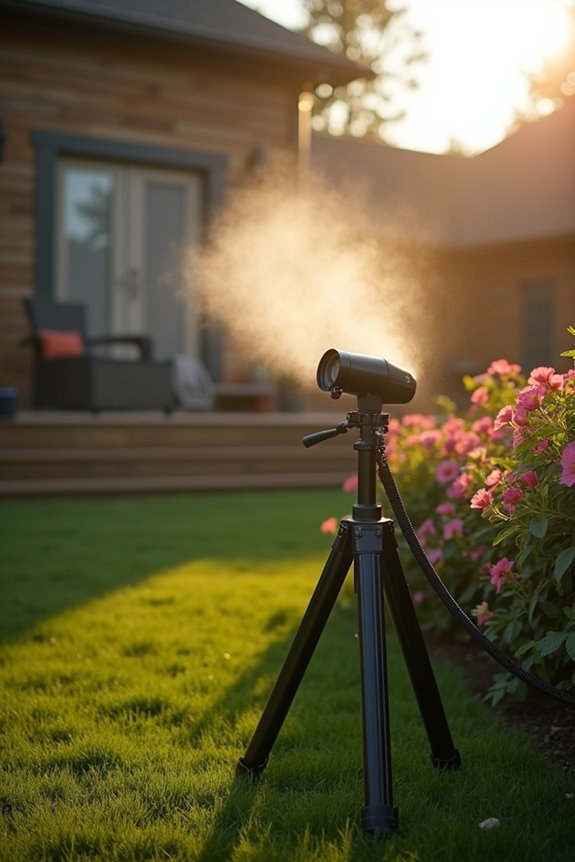
While cutting back vegetation disrupts mosquitoes’ daytime hideouts, spraying them when they’re most active takes your defense to the next level. I’ve found that targeting adult mosquitoes during peak activity—right after sunset—delivers impressive mosquito control results. I use a backpack or hand pump sprayer to apply residual spray to shaded resting spots where mosquitoes gather. The key is choosing labeled products specifically designed for outdoor pesticide use and following concentration recommendations carefully. I aim for vegetation where these pests rest, avoiding flowering plants and water bodies that could harm pollinators. While fogging offers quick knock-down effects, I prefer residual treatments for lasting protection. If you’re uncertain about application techniques, hiring a licensed professional ensures you’ll eliminate mosquitoes safely without damaging your yard’s ecosystem.
If DIY Isn’t Working: When Professional Mosquito Control Wins
Despite your best efforts with sprays and vegetation trimming, sometimes mosquitoes just won’t budge—and that’s when I’d seriously consider calling in the pros. When I’ve hit that wall, professionals offer something I simply can’t access alone.
Here’s what makes professional mosquito control different:
- Targeted treatments: Pros identify hidden breeding hotspots and dense vegetation I’d miss, then apply EPA-registered products directly where they’re needed most
- Comprehensive approach: They combine larval control, residual adult control, and habitat modification tailored to my specific yard and climate
- Lasting results: Many offer guarantees and follow-up treatments throughout peak mosquito season, adjusting strategies based on what actually works
Licensed applicators use stronger, longer-lasting formulations with proper safeguards protecting my family and pets. I’ve found this investment transforms my backyard from a mosquito haven into a genuinely enjoyable space.
Use Barriers and Repellents While Treatment Takes Effect

Professional treatments work best when you’re simultaneously creating an environment where mosquitoes can’t thrive—and I’ve found that layering barriers and repellents dramatically speeds up your results. I keep my grass under two inches and trim back overgrown shrubs where mosquitoes love to rest during the day. I’ve sealed window and door screens, and I installed a screened patio that’s become my mosquito-free sanctuary.
While residual control products work on vegetation, I’ve discovered outdoor fans in my seating areas create enough air movement to send mosquitoes packing. I apply repellents strategically, following label instructions carefully. This combination of habitat reduction, mosquito barriers, and targeted treatments transforms your backyard faster than any single approach. You’re not just treating mosquitoes—you’re reclaiming your outdoor space.
Protect Yourself: Clothing, Timing, and Bug Spray

How much of your skin are you really exposing when you head outside? I’ve learned that protecting myself requires a thoughtful strategy combining clothing, timing, and bug spray. Here’s what I’m doing:
- Wearing long, loose, light-colored clothing during dusk and dawn when mosquitoes are most active
- Pre-treating my gear with permethrin before wearing for an extra defensive layer
- Using EPA-registered repellents containing DEET, picaridin, or oil of lemon eucalyptus
I apply my bug spray after sunscreen, following label directions carefully. By favoring screened areas during peak times and positioning fans strategically, I’m reclaiming my outdoor space. This outdoor protection strategy isn’t just about mosquito repellents—it’s about feeling confident and comfortable in my own backyard while joining others who refuse to let these pests win.