Before you build that coop, I’d check your local zoning laws—they’re surprisingly different block to block. Your city and county might have separate rules, so contact both your planning department and animal control for the official word. Most places allow three to six hens, but roosters? Often banned. You’ll probably need a permit, setback compliance, and maybe neighbor approval. Once you understand what’s actually allowed where you live, you can move forward with confidence.
Is It Legal To Keep Backyard Chickens Where You Live?
Before you start building that coop or ordering your first chicks, you’ll need to figure out whether your local laws actually allow it. I’ve learned that backyard chickens aren’t universally legal—what works in one neighborhood might be prohibited in another. You’ll want to check your specific city ordinances and county vs city rules, since they often differ. Some areas require permits and inspections before you bring birds home, while others have zoning regulations limiting flock size or setting coop setbacks from property lines. Here’s something important: many municipalities welcome hens but ban roosters entirely. Whether you’re in an incorporated city or unincorporated county land, understanding these rules upfront saves frustration and potential fines later. Start by contacting your local planning department—they’re your best resource.
How County And City Rules Differ For Backyard Chickens
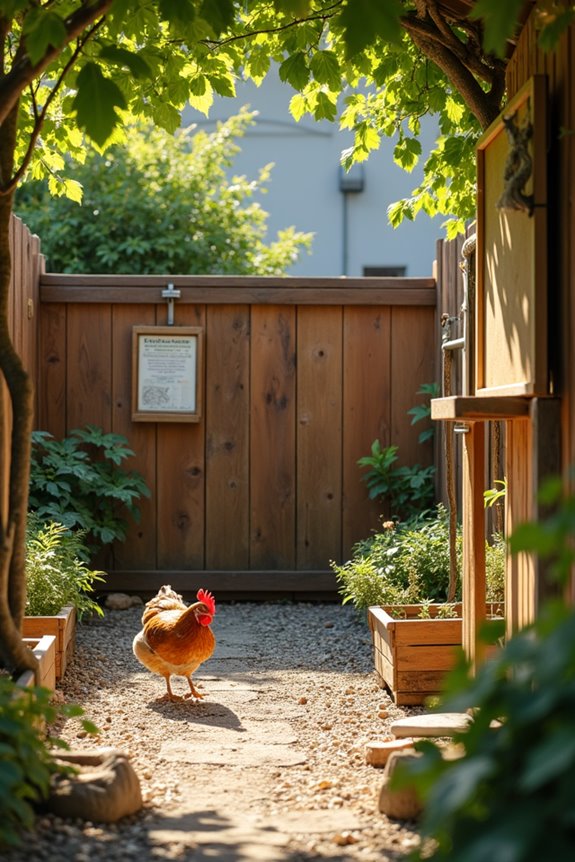
Now that you know you need to check local regulations, you’ll discover the rules aren’t one-size-fits-all—they shift dramatically depending on whether you’re in an incorporated city or unincorporated county land.
Backyard chicken regulations aren’t one-size-fits-all—they shift dramatically between incorporated cities and unincorporated county land.
I’ve found that city vs county regulations differ considerably. Cities typically enforce stricter zoning laws, limiting hen counts to three or four birds, while unincorporated county areas often allow larger flocks. Setback requirements vary too—some cities demand your coop sits fifteen feet from property lines, whereas county rules might be more lenient.
You’ll also notice permits and inspections differ. Many cities require formal permits before building, but some counties don’t. Even neighboring municipalities have completely different standards for backyard chickens.
I’d recommend checking your specific local ordinances before investing in your flock, since what’s legal next door might be prohibited where you live.
How To Find Your City Or County’s Chicken Ordinance
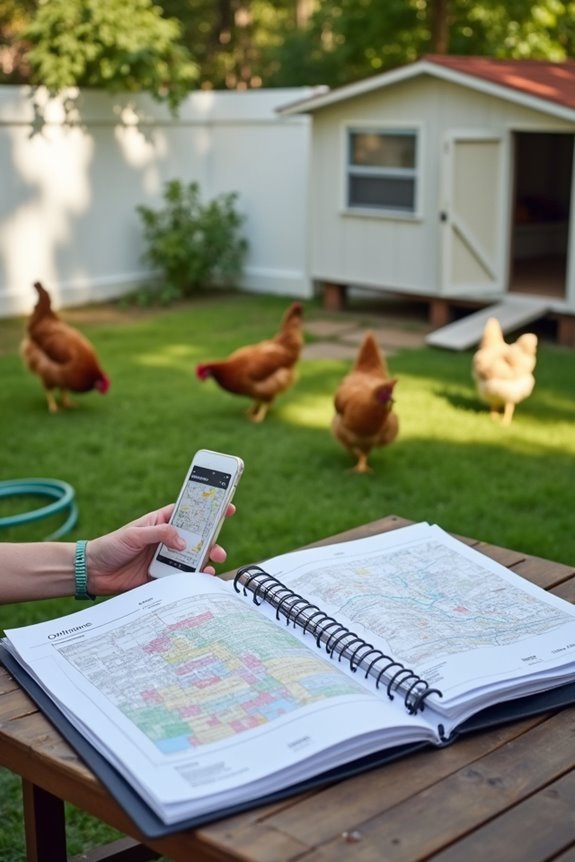
Where do you actually start when you’re ready to find out if your area allows backyard chickens? I’d recommend contacting your official sources directly—your city planning department, animal control, or county clerk—since they’ll have the definitive answers you need. Request a copy of your specific city ordinances or county regulations, as they’re public documents you’re entitled to access.
| Resource | What They Provide | Why Contact Them |
|---|---|---|
| City Planning | Permits, coop setbacks, flock size limits | Official city ordinances |
| Animal Control | Nuisance provisions, enforcement details | Local enforcement knowledge |
| County Clerk | Unincorporated area rules | County-level regulations |
Getting these answers upfront prevents costly mistakes and ensures your backyard chickens setup complies fully with local requirements.
Flock Size Limits: How Many Chickens Are Allowed?
Now that you’ve located your local ordinance, here’s where things get tricky: the number of chickens you can keep varies dramatically depending on where you live, since states rarely set one universal limit and instead let cities and counties decide for themselves. You might find that your suburban neighborhood caps flocks at three or four hens, while a friend just ten miles away in a more rural zone can keep a dozen or more, or that your lot size determines everything—smaller parcels mean fewer birds. I’d recommend checking your specific address against your jurisdiction’s rules, because what works in one part of your state simply won’t fly in another.
State-Specific Chicken Limits
Just how many chickens can you keep in your backyard? The answer depends entirely on where you live, since Oklahoma doesn’t set statewide limits. Instead, your city or county calls the shots through local ordinances.
If you’re in Oklahoma City, you’re looking at up to 6 chickens or quail, though roosters are prohibited. Tulsa’s a bit more generous—you can raise 6 adult chickens and 14 chicks under 8 weeks, depending on your zone. Both cities enforce strict zoning rules, coop setbacks, and residential backyard standards to keep the peace with neighbors.
Living in unincorporated areas? County regulations take over, though enforcement varies. Before you build that coop, check your specific locality’s rules. They’ll outline setback requirements and nuisance restrictions that determine your actual flock size.
Local Jurisdiction Variations
How many chickens you’re actually allowed to raise depends almost entirely on your local government, not the state—and that’s where things get interesting, because the rules shift dramatically from one city or county to the next. I’ve learned that what works in one neighborhood might be completely prohibited blocks away.
| Municipality | Flock Limit | Roosters | Setbacks |
|---|---|---|---|
| Annapolis | 5 hens | Prohibited | Required |
| Baltimore City | 4 hens | Prohibited | Required |
| Baltimore County | Varies by zoning | Case-by-case | Required |
| Typical towns | 4–6 hens | Prohibited | 10–25 ft |
Your lot size, zoning designation, and nuisance provisions all factor in. I’d recommend calling your local planning or animal control office directly—they’ll give you the exact permits and setbacks your backyard needs.
Coop Requirements And Setback Rules
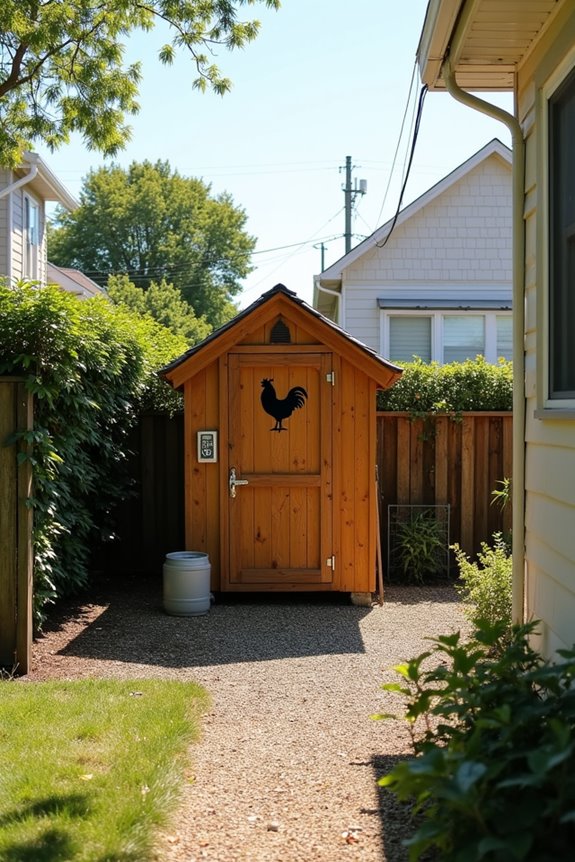
Before you build that chicken coop in your backyard, you’ll want to understand the structural and placement rules your local government has set in place.
I’ve learned that coop requirements vary significantly depending on where you live. Here’s what you’ll typically encounter:
- Setback distances ranging from 5 to 15 feet from lot lines, though some jurisdictions demand 50 feet from neighboring houses
- Coop size specifications requiring minimum square footage per bird and limits based on your lot size
- Permits and inspections before you can legally keep backyard chickens
Your predator-proof coop must also meet enclosure standards, and many areas require rear yard placement away from street frontage. Understanding these coop setback rules upfront saves you headaches and ensures you’re building legally. Check your local ordinances—they’re your roadmap to chicken-keeping success.
Rooster Restrictions In Most Residential Areas
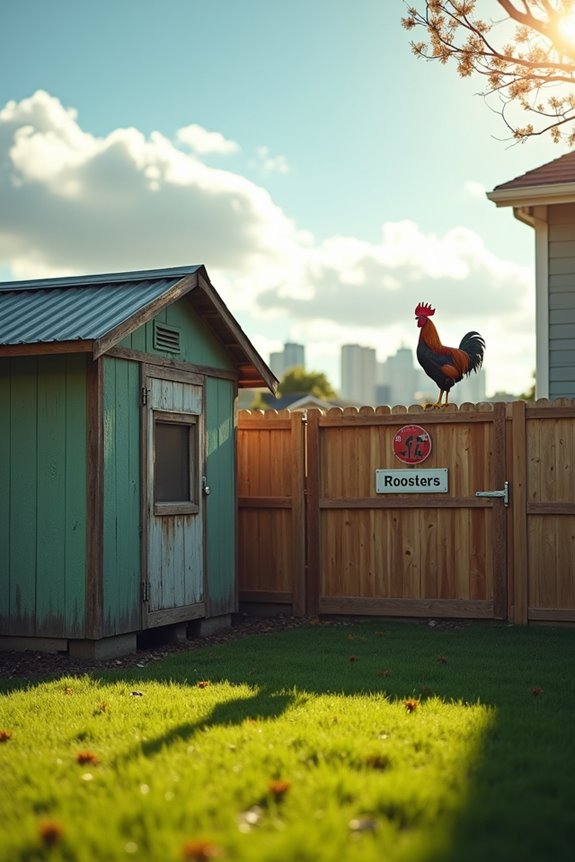
Why’re roosters the troublemakers of backyard chicken keeping? Their early morning calls can strain neighborhood relations faster than you’d expect. I’ve learned that most residential areas impose strict noise restrictions and nuisance ordinances specifically targeting roosters, even where hens thrive without issue.
| Restriction Type | What It Means |
|---|---|
| Noise Restrictions | Roosters often prohibited due to early crowing |
| Setback Requirements | Larger distances needed from property lines |
| Hens Only Rules | Many zones allow females exclusively |
Before adding roosters to your setup, I’d strongly recommend checking your city’s permit restrictions and coop regulations. Most jurisdictions require larger lots and greater setbacks for roosters than hens. Some communities ban them entirely. Enforcement typically happens through complaint-based systems, risking fines or permit revocation if your rooster disturbs neighbors. The safest bet? Start with hens and verify local codes before considering a rooster.
Free-Range And Enclosed Run Requirements
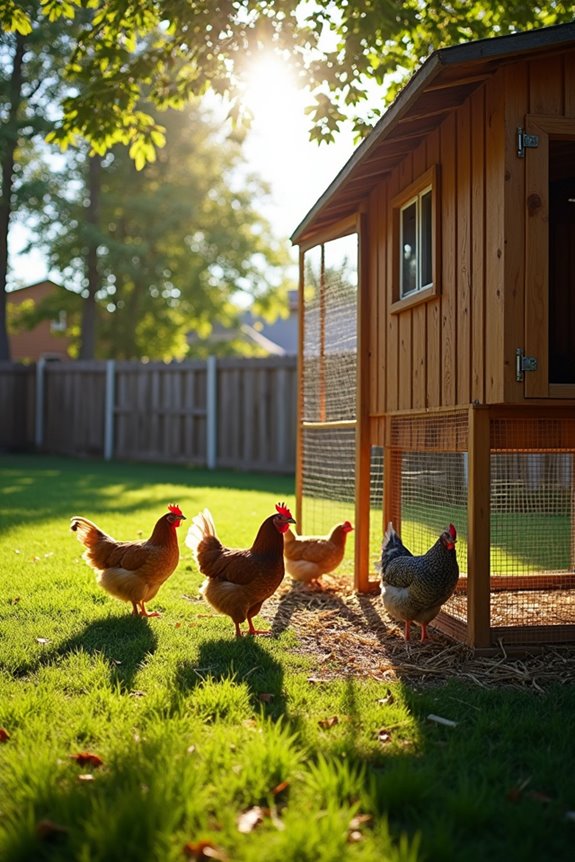
Once you’ve settled the rooster question, you’ll need to figure out whether your chickens can roam freely or if they’ll need to stay in an enclosed run—and honestly, this depends entirely on where you live.
Here’s what you’re likely facing:
- Coop setback requirements – Your predator-proof coop and enclosed run must sit several feet from property lines, keeping neighbors happy
- Free-range restrictions – Many PA jurisdictions prohibit roaming entirely or limit outdoor access to specific hours, minimizing nuisance ordinances
- Material standards – Durable, sight-obscuring fencing protects your backyard chickens while satisfying local codes
I’ve found that understanding these rules upfront saves frustration later. Whether you’re building an enclosed run or designing a limited-access system, staying compliant with nuisance ordinances protects your flock and your community standing.
Getting Neighbor Approval For Backyard Chickens

How much do your neighbors actually matter when you’re planning a chicken coop? More than you might think. In places like Annapolis, Maryland, I’ve learned that neighbor approval isn’t optional—it’s required before I can even register my backyard chickens. Many localities mandate this consent, using formal approval forms and registries to ensure community buy-in.
Even where neighbor approval isn’t explicitly mandated, local ordinances, zoning laws, and nuisance rules often make it practically necessary. I’ve discovered that understanding my city’s animal control requirements and permits reveals whether I genuinely need documented permission or simply good relationships with nearby residents.
Rather than viewing neighbors as obstacles, I see them as partners in responsible chicken keeping. Checking with my local planning office clarifies what’s actually required, transforming potential friction into collaborative community building.
HOA Rules That May Restrict Chicken Keeping
Before I even thought about building a coop, I learned something essential: my city’s chicken-friendly ordinances didn’t guarantee my right to raise backyard birds.
My HOA’s governing documents contained restrictions I hadn’t anticipated. I discovered they could override local laws entirely, so I reviewed my HOA covenants carefully:
- Flock size limits capped my hens at three, not the six I’d imagined
- A rooster ban meant I’d keep only hens for fresh eggs and companionship
- Coop setbacks required distance from property lines I hadn’t considered
I needed written authorization before proceeding, submitting detailed plans and location drawings. The process felt bureaucratic, but I understood—neighbor consent mattered in our community. Violating these rules risked enforcement fines or forced removal of my coop. Getting this approval first saved me heartache and expense later.
What Permits And Registration Do You Actually Need?

After I’d cleared the HOA hurdles, I realized my work wasn’t finished—local permits and registration requirements demanded attention too. I discovered that my city requires a coop permit from animal control before I could break ground. The process involved submitting detailed plans showing setback requirements from my property lines and neighboring homes, ensuring compliance with zoning rules. Some municipalities mandate formal registration through a backyard chicken registry, while others simply require notification. I learned that unincorporated areas fall under county ordinances, so I checked both my city and county regulations carefully. Understanding these local ordinances upfront saved me headaches later. I recommend contacting your planning or zoning office first—they’ll clarify exactly what permits and registration you need, making the path forward clearer.
When Chickens Are Banned: Legal Options And Advocacy Paths
What if your city’s ordinances flatly prohibit backyard chickens? Don’t lose hope—you’ve got legitimate pathways forward.
- Engage your city council by submitting formal amendments to zoning codes and organizing public testimony to address neighborhood concerns about nuisance issues.
- Pursue a variance or special permit by demonstrating compliance with setback, health, and sanitation standards for conditional approval.
- Build community support through education about coop maintenance and noise reduction, creating momentum for ordinance changes.
I’ve found that working directly with local planning departments reveals potential exemptions or phased implementations. If your jurisdiction remains resistant, you might explore buying property in permissive areas or joining collective projects with neighbors. Advocacy takes patience, but many communities are reconsidering chicken restrictions as people like you persistently show how manageable backyard flocks truly are.
Common Missteps That Slow Down Approval

I’ve seen plenty of well-meaning chicken keepers derail their own approval by skipping the legwork upfront—you’d be surprised how many folks buy a coop before they’ve even called their local zoning office. When you don’t research your area’s specific rules, flock limits, and setback distances from property lines, you’re basically building on quicksand, and that coop you’re excited about might end up sitting in your garage instead of your backyard. The good news is that a little homework now—a quick conversation with your planning board and animal control—saves you months of headaches and keeps your dream from becoming an expensive mistake.
Skipping Local Research
Why do so many anxious chicken keepers end up with coops they can’t legally use? I’ve seen it happen—people invest time and money without checking local ordinances first. Your city or county determines everything about backyard chickens, and those rules vary wildly.
Before you build or buy birds, investigate these essentials:
- Permits and setback distances – Some areas require permits and specific distances from property lines
- Rooster restrictions and zoning rules – Your residential zone might prohibit roosters or limit flock size entirely
- Neighbor nuisance standards and coop regulations – Certain municipalities demand neighbor consent or inspections
I learned this matters because skipping research wastes resources on plans you can’t actually execute. Your municipality’s chicken ordinance is the foundation. Check it first, not after you’ve already committed. That’s how you join this community the right way.
Inadequate Coop Setup
Once you’ve got your local ordinances sorted, you’d think you’re home free—but here’s where I see people stumble. Your backyard coop needs to meet specific requirements: setback requirements from property lines, adequate square footage per bird, and a truly predator-proof coop with a secure enclosure. I’ve watched folks submit a site plan showing a flimsy structure, only to face rejection and costly rework.
Inspectors want details. They’re checking whether your setup actually protects your birds and respects neighbors’ space. Missing these specifics—like unclear waste management or inadequate roost protections—triggers additional site visits during the permit process. The community you’re joining takes these standards seriously, and matching them shows you do too. Get your coop right the first time.
Planning A Compliant Chicken Coop
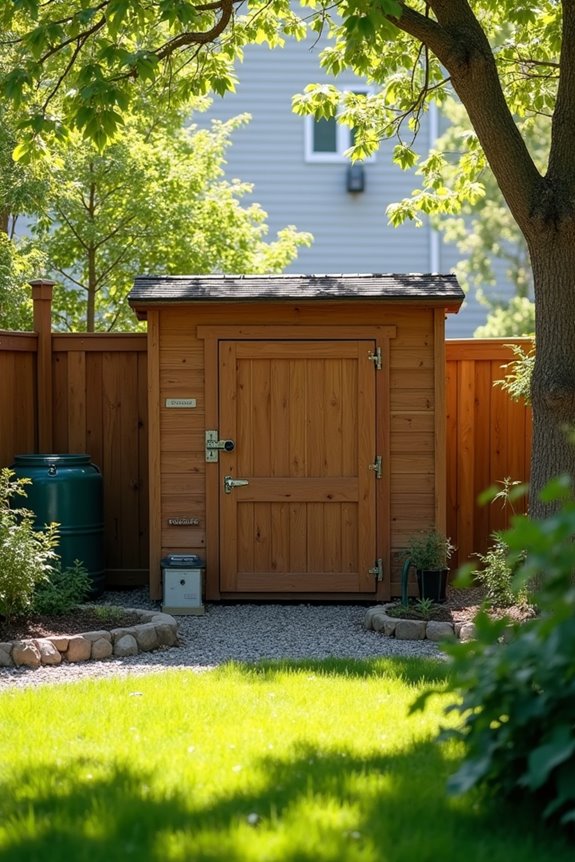
Before you break ground on that coop you’re envisioning, you’ll need to understand the specific rules governing your property—and trust me, they’re more detailed than you might expect.
I’ve learned that compliance isn’t bureaucratic busywork; it’s your foundation for successful backyard chicken keeping. Here’s what I tackle first:
- Zoning setbacks and placement – I check exactly how far my coop must sit from property lines and neighbor homes
- Flock size and rooster restrictions – I confirm whether my area permits only hens and what maximum numbers apply
- Permit requirements and inspections – I determine if I need coop permits and whether predator-proofing standards exist
Then I review my HOA rules and nuisance ordinances carefully. Building an enclosure/run that satisfies both regulations and my chickens’ needs ensures I’m part of a thriving, respectful community.
Starting Your Backyard Flock After Approval
Now that you’ve navigated the regulatory environment and have your approval in hand, the real fun begins—bringing actual chickens into your life. I’d recommend starting small with four to six chicks, a manageable number for beginners like us. Before bringing them home, verify your permit requirements and confirm whether roosters allowed in your area, since many jurisdictions prohibit them. Next, evaluate coop placement carefully, checking setback requirements to maintain good neighbor relations and ensure you’re compliant with zoning laws. Your predator-proof coop needs proper sizing, cleanliness, and secure construction. Even with neighbor consent already obtained, a well-maintained setup demonstrates your commitment to responsible backyard chicken keeping. This foundation sets you up for genuine success and community respect.