That sewage smell in your bathroom isn’t just gross—it’s your home warning you that hydrogen sulfide and methane are leaking into the air you’re breathing. These gases can irritate your lungs, trigger headaches and dizziness, and weaken your immune system over time. Kids and elderly folks are hit hardest, facing serious respiratory trouble. The culprits? Dried P-traps, cracked vent pipes, or faulty toilet seals. You’ll want to understand what’s really happening behind those walls.
Where Sewer Gases Originate in Your Plumbing System
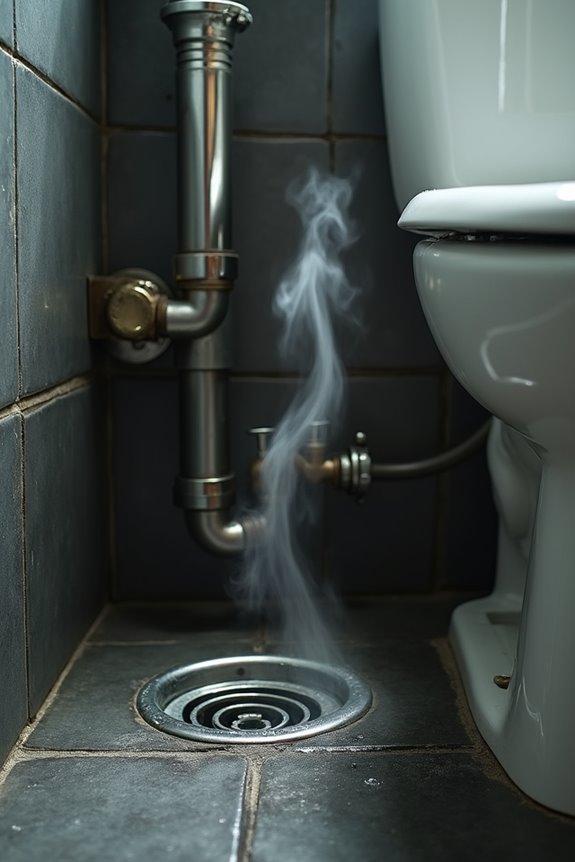
Ever wondered why your bathroom sometimes smells like rotten eggs or a backed-up septic tank? I’ll tell you, it’s unsettling. That odor comes from sewer gases—specifically hydrogen sulfide and methane—escaping from your plumbing system in ways you’d never expect.
Here’s what’s happening: when your P-trap’s water seal dries out, gases slip right through. A faulty wax seal around your toilet creates a direct pathway for those nasty odors. Your vent pipe, designed to release gases safely outside, might be blocked or cracked, pushing everything backward into your home instead. Sometimes the problem runs deeper—literally. Cracks in your sewer line or backups in the main line force gases upward through multiple drains, spreading that unmistakable stench throughout your bathroom and beyond.
Hydrogen Sulfide: The Most Dangerous Sewer Gas
Now that you understand where these gases originate, it’s time to focus on the worst offender: hydrogen sulfide. This colorless gas creates that unmistakable rotten-egg smell, and I want you to know why it’s genuinely concerning for your health. H2S is heavier than air, so it settles in poorly ventilated bathrooms, creating serious exposure risks. When traps dry-out or your sewer lines age, hydrogen sulfide accumulates dangerously. Even brief exposure impairs your senses—ironically, your smell deteriorates, so you won’t detect increasing concentrations. Dizziness, headaches, and nausea follow. Occupational safety standards exist because this gas demands respect; brief spikes in bathrooms can exceed safe thresholds. Understanding these sewer gases protects you and your family from invisible harm lurking beneath your home.
Methane and Other Toxic Vapors in Sewer Systems
While hydrogen sulfide grabs our attention with that unmistakable rotten-egg stench, I’ve found that methane—the odorless culprit lurking silently in your pipes—poses an equally serious threat that you might not even detect until it’s too late. You’re exposed to a dangerous mix of toxic vapors when your home’s ventilation fails or your P-trap dries out, and that prolonged, low-level inhalation of these gases can irritate your eyes and respiratory system while triggering dizziness and headaches that linger long after the smell fades. Understanding how these multiple sewer gases accumulate and spread through your bathroom isn’t just about comfort; it’s about recognizing real health risks that demand your attention.
Methane Gas Health Effects
Why does that foul bathroom smell seem so alarming when you’re already feeling queasy?
When methane and sewer gases seep into your home through a faulty P-trap or poor ventilation, you’re facing real health concerns. I’ve learned that methane itself isn’t toxic at normal levels, but here’s what worries me: in enclosed spaces like bathrooms, it displaces oxygen, causing dizziness and headaches. Meanwhile, hydrogen sulfide—that rotten-egg stench—irritates your eyes and throat at low concentrations, progressing to nausea and worse at higher levels. What makes this genuinely dangerous is methane’s flammability; it can form explosive mixtures in enclosed spaces. The solution matters: ensure proper ventilation, maintain your P-trap with water, and address odors immediately. Don’t ignore these signals from your sewer system.
Hydrogen Sulfide Exposure Risks
That rotten-egg smell lingering in your bathroom isn’t just unpleasant—it’s hydrogen sulfide announcing its presence, and I want you to understand what you’re really dealing with. This sewer gas sneaks from damaged pipes and septic systems, settling in low areas where you’re most vulnerable. When you’re exposed, you might experience headaches, dizziness, and irritated eyes that sting. Here’s what concerns me: hydrogen sulfide is heavier than air, so it pools in basements and crawl spaces, increasing your breathing risk. At higher concentrations, it becomes genuinely dangerous, potentially causing unconsciousness or respiratory failure. That’s why proper ventilation and prompt sewer system repairs matter tremendously. Don’t ignore these exposure risks—they’re your body’s way of signaling real trouble underground.
Long-Term Inhalation Consequences
How long can your body really tolerate the invisible gases creeping through your bathroom before they take their toll? I’ve learned that chronic exposure to sewer gas odor—particularly hydrogen sulfide, methane, and volatile organic compounds—creates cumulative health problems we often overlook. When you’re repeatedly inhaling these gases, your body experiences persistent headaches, fatigue, and cognitive fog that makes focusing difficult. Long-term exposure degrades your indoor air quality, especially in poorly ventilated bathrooms where gases concentrate unchecked. Over months and years, this irritation triggers respiratory issues like worsened asthma and bronchitis. What makes it insidious is that you adapt to the smell, becoming unaware of ongoing damage. Your eyes, nose, and throat bear the brunt silently, accumulating irritation that manifests as chronic health decline rather than acute illness.
How Sewage Smell Causes Breathing Problems
When you catch that unmistakable rotten-egg stench wafting from your bathroom drain, you’re actually inhaling sewer gases—primarily hydrogen sulfide—that can wreak havoc on your respiratory system. I’ve learned that poor bathroom ventilation traps these harmful gases, forcing your lungs to work harder and triggering respiratory irritation almost immediately.
| Gas Exposure Level | Immediate Effects | Long-Term Risks |
|---|---|---|
| Low | Mild irritation, headaches | Chronic coughing |
| Moderate | Dizziness, nausea | Asthma aggravation |
| High | Choking sensation | Bronchitis-like symptoms |
Your inhalation exposure matters tremendously. When you’re stuck in a poorly ventilated bathroom, the sewage smell concentrates, making each breath potentially problematic. Those of us concerned about respiratory health recognize that addressing sewer gases isn’t vanity—it’s protection. Improving ventilation becomes essential for safeguarding your lungs from persistent damage.
Why Kids and Elderly Face Greater Risk
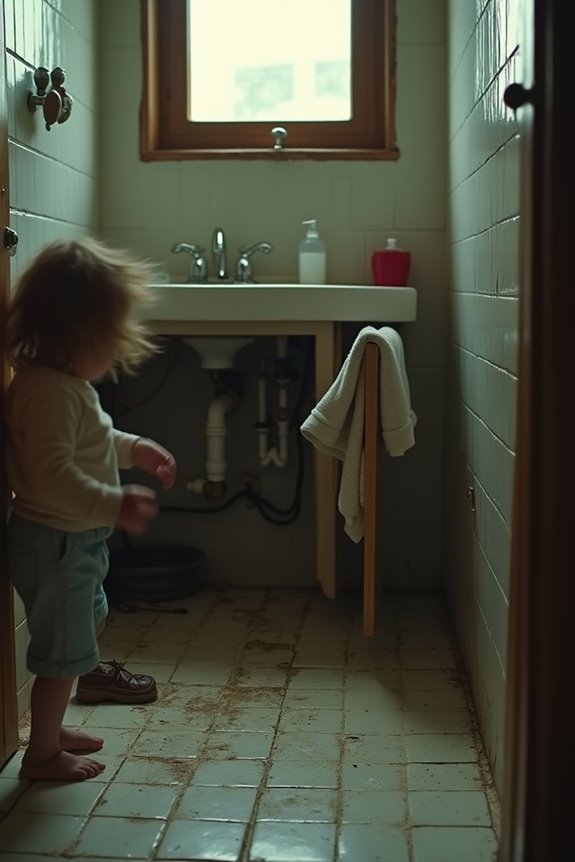
Why does my elderly neighbor seem more bothered by bathroom odors than I do? The answer lies in vulnerability. Children and elderly face greater risk from sewer gas exposure because their bodies process toxins differently. They breathe faster, have lower body weight, and absorb higher doses of harmful chemicals per pound. Hydrogen sulfide and other gases trigger stronger eye, nose, and throat irritation in vulnerable populations due to heightened respiratory sensitivity. I’ve noticed seniors experience pronounced dizziness and headaches from these odors—concerning signs that can lead to dangerous falls. Young kids compound their risk by touching contaminated surfaces and inadvertently ingesting pathogens. Meanwhile, elderly folks already battling lung conditions find sewer gases exacerbate their existing problems. Understanding these differences helps us better protect those we care about most.
Bacterial and Viral Pathogens Carried by Sewage Odors
Beyond the unpleasant smell itself, that bathroom stench often signals something far more troubling: invisible pathogens hitching a ride through your home. When sewage gases escape into your bathroom, they’re carrying bacterial pathogens like E. coli, Salmonella, and Campylobacter—nasty invaders that can trigger gastroenteritis and diarrhea if they reach your digestive system. What concerns me most is how wastewater contaminants compromise your indoor air quality, especially when ventilation fails. You’re not just breathing bad odors; you’re exposed to airborne microbes that threaten respiratory health. The exposure risk intensifies through accidental contact during cleaning or repairs. These viral pathogens thrive in damp environments, making sewage leaks particularly dangerous. Understanding this connection helps you recognize why that smell demands immediate attention—it’s genuinely affecting your household’s wellbeing.
Dizziness and Headaches From Sewage Smell Exposure
Have you ever noticed how a bathroom stench leaves you feeling lightheaded or nursing a throbbing headache? I’ve learned that hydrogen sulfide and other sewer gases aren’t just unpleasant—they’re genuinely hazardous to your health. When I’m exposed to these odors, my body reacts quickly, and I’m not alone in experiencing this.
Here’s what happens during sewer gas exposure:
- Hydrogen sulfide impairs breathing within minutes at higher concentrations
- Low-level exposure triggers headaches and nausea, especially for sensitive individuals
- Poor ventilation in enclosed bathrooms amplifies gas concentration dangerously
- Dizziness and eye irritation intensify with prolonged or repeated exposure risk
I’ve realized that protecting myself means improving ventilation immediately. Opening windows, using exhaust fans, and addressing plumbing issues directly reduce my exposure risk significantly. Taking these steps helps me maintain my health and comfort at home.
How Sewer Gases Weaken Your Immune System
I’ve learned that when you’re breathing in sewer gases regularly, you’re actually inviting trouble into your immune system because those toxic fumes—especially hydrogen sulfide—damage the protective barriers in your lungs and airways that normally catch pathogens before they cause infections. Over time, your body’s natural defense network gets worn down from repeated exposure, making you more susceptible to respiratory infections and conditions like asthma, which means you’re fighting an uphill battle against illnesses that your healthy immune system would’ve easily handled. What makes this particularly concerning is that the damage happens gradually and quietly; you might not realize your immune defenses are deteriorating until you find yourself getting sick more frequently or noticing symptoms that linger longer than they should.
Toxic Gas Exposure Effects
Sewer gases quietly infiltrate your bathroom air, and here’s what concerns me most: they’re not just unpleasant smells—they’re actively working against your body’s defenses. When you’re exposed to hydrogen sulfide and other sewer gases, your immune system faces continuous stress that weakens its protective abilities.
Here’s how toxic gas exposure affects you:
- Hydrogen sulfide irritates your respiratory tract, triggering inflammatory responses that exhaust your immune cells
- Chronic exposure causes repeated stress cycles, gradually reducing your body’s infection-fighting capacity
- Poor bathroom ventilation increases your inhalation dose, intensifying immune suppression over time
- People with asthma or compromised immunity face compounded risks, as sewer gases exacerbate existing conditions
I’ve learned that understanding these effects helps us take this threat seriously. Your bathroom’s air quality directly impacts your long-term health and resilience.
Immune System Vulnerability
Why does your body’s defense system struggle when you’re repeatedly breathing in bathroom odors? When you’re exposed to hydrogen sulfide and other sewer gases, your immune system works overtime trying to protect you. I’ve learned that chronic exposure to these harmful compounds triggers inflammation in your respiratory tissues, which exhausts your body’s natural defenses over time.
Poor ventilation makes this worse, allowing sewer gases to linger in your indoor air quality, increasing your vulnerability to infections. Bacteria like E. coli present in these gases challenge your immune system further, especially if you’re already dealing with health concerns.
The real issue? Your body’s worn down. When you’re constantly fighting irritation from inadequate ventilation and persistent exposure, your immune system can’t respond effectively to genuine threats. Improving ventilation transforms your bathroom from a health risk into a safer space where you can actually breathe freely.
Long-Term Health Consequences
Once your immune system’s already exhausted from constant battle against sewer gases, the damage doesn’t stop there—it compounds. I’ve learned that prolonged hydrogen sulfide exposure creates a cascade of health problems you can’t ignore.
Here’s what happens when you’re breathing in these harmful gases:
- Chronic respiratory irritation develops, making your lungs vulnerable to infections and bronchitis-like symptoms
- Sleep disruption and stress weaken your body’s natural defense mechanisms significantly
- Mold exposure from damp environments suppresses immune function and increases allergy susceptibility
- Pathogens from sewage establish themselves in your respiratory system, compromising your overall health
The reality is, you’re not just dealing with unpleasant odors—you’re facing cumulative damage that affects how your body fights illness. Your immune system needs protection from these invisible threats lurking in your bathroom.
Sewage Smell as a Plumbing Emergency Indicator
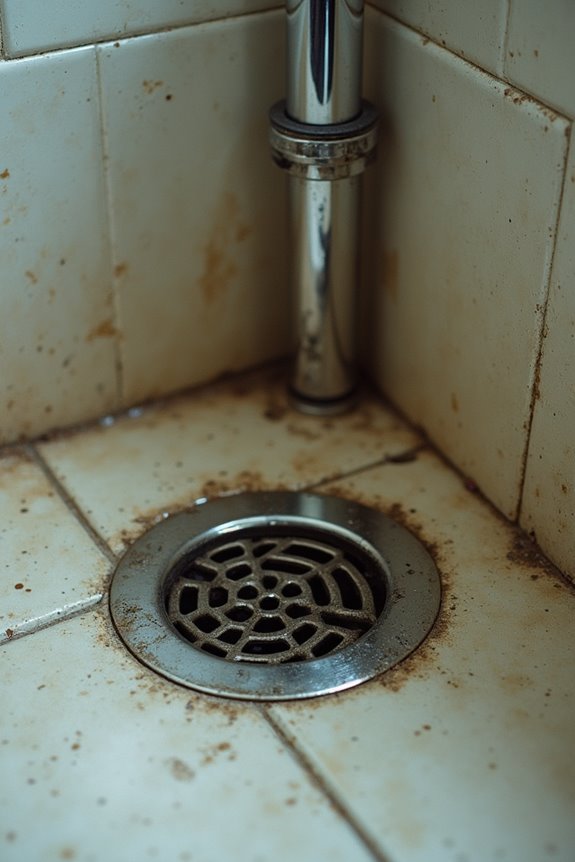
How often do you notice a foul odor creeping from your bathroom drains and think it’ll just go away? I’ve learned that persistent bathroom odors aren’t something to ignore—they’re your home’s way of signaling trouble. When sewer gases escape through a dried-out P-trap or blocked vent pipe, you’re facing a genuine plumbing emergency. These odors often indicate a cracked sewer line or dangerous backflow situation that demands immediate attention.
I can’t stress enough: sewer gases like hydrogen sulfide aren’t just unpleasant. They pose real health risks, causing dizziness and respiratory irritation. Look for accompanying signs—bubbling drains, multiple slow fixtures, or wet spots around your toilet’s base. These warning lights mean you need professional assessment now, not next week. Your family’s wellbeing depends on acting quickly.
Short-Term vs. Long-Term Health Effects of Sewer Gas
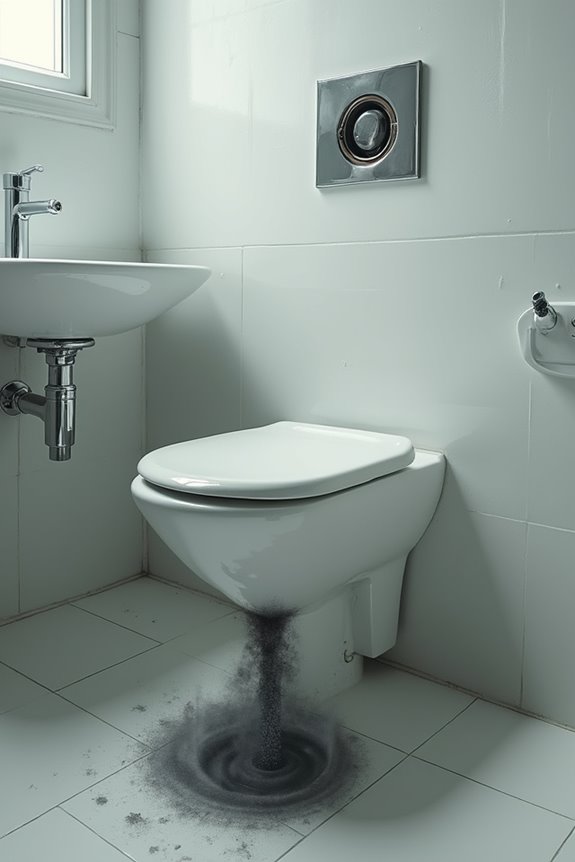
I’ve learned that sewer gas can hit you in two distinctly different ways—the immediate symptoms like eye irritation, headaches, and nausea can catch you off guard, but it’s the long-term exposure that really worries me, especially when I think about chronic respiratory problems developing silently over time. What strikes me most is how vulnerable certain people are to these gases; if you’re elderly, have asthma, or your immune system’s already compromised, you’re facing a much steeper health risk than the average person. Beyond the respiratory effects, I’ve come to understand that repeated exposure invites pathogens and bacteria into your lungs, which transforms what seems like a minor annoyance into a genuine infection hazard you can’t ignore.
Acute Exposure Symptoms
When you catch that unmistakable rotten-egg smell wafting from your bathroom drain, your body’s already sending distress signals—and here’s what’s happening behind the scenes. Sewer gas containing hydrogen sulfide hits your system fast, and I want you to understand what acute exposure actually does to you.
Within minutes to hours, you might experience:
- Eye and throat irritation that makes you squint and cough
- Headaches and dizziness that feel sudden and disorienting
- Nausea that catches you off guard
- Respiratory irritation affecting your breathing comfort
These symptoms aren’t your imagination—they’re your body reacting to real chemical exposure. Here’s the thing: ventilation becomes crucial immediately. Don’t ignore that smell. Open windows, create air flow, and call professionals to identify the gas source. Your health risks decrease dramatically with quick action, and that rotten-egg warning deserves respect.
Chronic Health Complications
Those acute symptoms you’re experiencing right now—the headaches, the coughing fits, the way your eyes water—they’re your body’s immediate alarm system, but here’s what concerns me more: what happens when that sewer smell never really goes away. Chronic exposure to hydrogen sulfide and other pathogens gradually wears down your resilience. You’ll notice persistent fatigue creeping in, mood shifts you can’t quite explain, and a cough that won’t quit. Your indoor air quality deteriorates silently, triggering long-term respiratory effects that compound over months. The real danger? Low-level exposure accumulates, potentially causing lasting neurological changes and vulnerable groups facing heightened infection risks. Your body deserves better than adapting to contamination.
Vulnerable Population Risk
Why do some people suffer more when sewer gas seeps into their homes? I’ve learned that certain groups face greater dangers from hydrogen sulfide and other sewer gases because their bodies are already struggling. When you’re vulnerable, exposure hits harder and faster.
Consider these at-risk populations:
- Pregnant people and young children, whose developing systems can’t handle respiratory irritation well
- Elderly individuals and those with asthma, experiencing heightened breathing difficulties from chronic exposure
- People with COPD or heart conditions, facing serious exacerbation of existing illnesses
- Immunocompromised individuals, battling airway inflammation that worsens infections
I understand how isolating it feels when your home becomes a health threat. These vulnerable populations deserve protection because sewer gas doesn’t just cause temporary discomfort—it genuinely endangers their wellbeing and quality of life.
Why Simple Drain Fixes Won’t Solve Your Health Problem
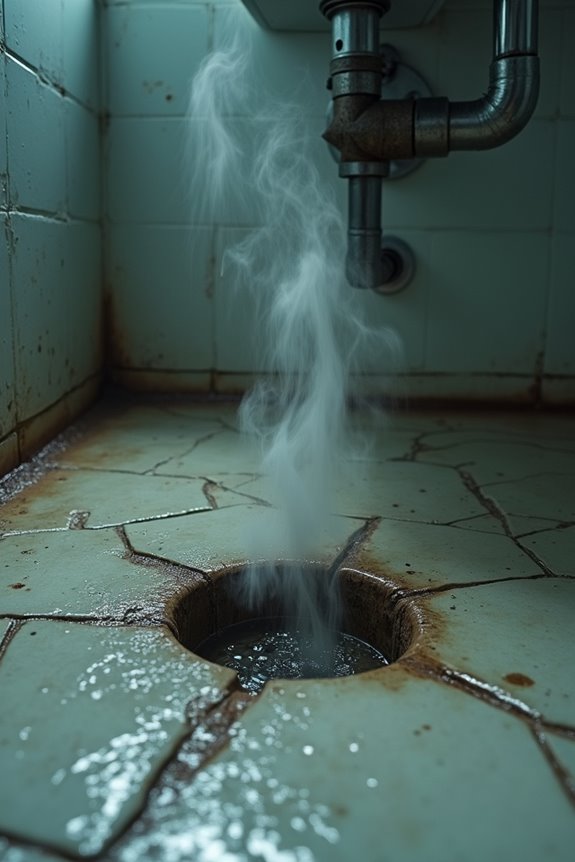
A quick plunge of your toilet or a box of baking soda might temporarily mask that awful sewage smell, but here’s what I’ve learned: these bandage solutions are treating the symptom, not the disease. When you’re dealing with toxic gases like hydrogen sulfide seeping into your home, simple drain fixes miss the real culprits—broken P-trap seals, cracked pipes, or ventilation blockages that keep releasing sewer gas regardless of how clean your drains are. A main sewer line problem won’t disappear after plunging. Venting issues require professional attention, not DIY remedies. Without addressing the underlying structural damage, those hazardous toxic gases continue circulating through your bathroom, exposing your family to genuine health risks that no surface treatment can eliminate.
Recognizing a Sewer Line Emergency
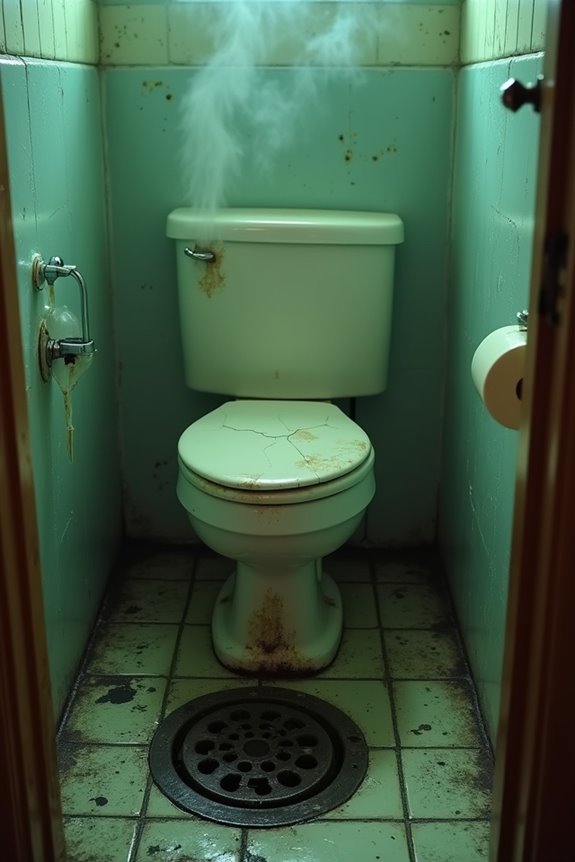
When you’re noticing multiple drains moving slowly, hearing weird gurgling sounds from your pipes, or catching strong sewage smells that won’t quit despite your best efforts, your bathroom’s trying to tell you something serious. I’ve learned that these warning signs—especially when they’re happening in more than one spot in your home—aren’t something you can fix with a plunger or drain cleaner; they’re your cue to call a professional plumber who can investigate what’s actually happening beneath your house. If sewage’s actually backing up into your toilets or sinks, or those odors are persistent and stubborn, that’s your signal to stop troubleshooting on your own and get emergency help right away.
Signs Of Sewer Backup
How’d you like to wake up to a mysterious smell creeping through your bathroom, one that won’t quit no matter how many windows you open? That persistent bathroom odor might signal something serious lurking beneath your home. I’ve learned that recognizing these warning signs helps you catch problems before they escalate into emergencies.
Here’s what you should watch for:
- Sewage backing up into toilets, drains, or floor drains with visible wastewater
- Gurgling sounds from multiple fixtures indicating sewer gas pressure and potential main line blockage
- Slow drains paired with water pooling around your toilet base
- Yard or basement backups suggesting a sewer collapse requiring urgent attention
When you notice these signs, don’t delay—call a licensed plumber for a camera inspection. Trust me, addressing this quickly protects your family’s health and prevents costly damage.
When To Call Professionals
So you’ve noticed that bathroom smell won’t disappear, and now your kitchen sink’s draining slower than usual too—that’s your cue that this isn’t just a local clog you can plunge away.
When multiple fixtures back up simultaneously, you’re likely facing a main sewer line problem requiring professional attention. I’d recommend calling a professional plumber if you notice sewage backups, persistent gurgling drains, or slow drainage throughout your home. These signs indicate sewer gases like hydrogen sulfide are escaping into your living spaces, creating serious health risks for you and your family.
A professional plumber uses camera inspection technology to pinpoint breaks, cracks, or root intrusions you can’t see yourself. They’ll identify whether you’re dealing with backflow issues needing immediate intervention. Don’t wait—early professional assessment prevents costly structural damage while protecting your home’s safety.
Confirming Your Home Is Safe After Exposure
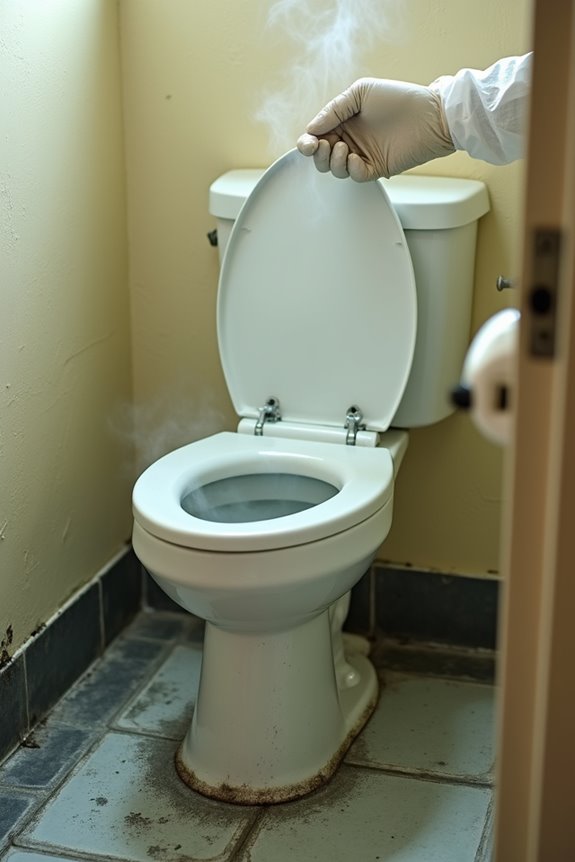
After you’ve caught a whiff of that unmistakable sewer smell and taken steps to address it, you’re probably wondering whether your bathroom is actually safe again—and that’s the right question to ask. I’ve learned that confirming safety requires checking several key areas:
After catching a sewer smell, the right question is whether your bathroom is actually safe again.
- Inspect your P-trap dry-out by running water through all drains
- Verify your toilet seal is intact and functioning properly
- Confirm vent blockages have been cleared for proper airflow
- Schedule a professional inspection to rule out back-up prevention issues and sewer gas exposure risks
Don’t rush back into your space without addressing these points. A professional inspection gives you peace of mind, catching hidden problems before they become serious. You deserve to feel secure in your own home.
How to Stop Sewer Gases at the Source
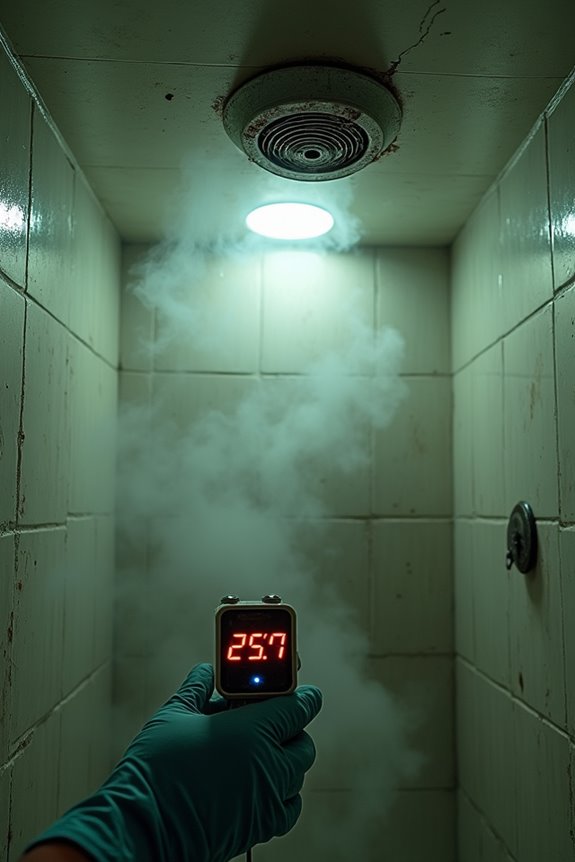
Now that you’ve confirmed your bathroom is safe, it’s time to tackle the root cause—because once you understand where these gases come from, you’ll realize they’re surprisingly preventable. I’ve found that stopping sewer gases at the source involves addressing three critical areas. First, I refill dry P-traps by running water for thirty to sixty seconds in each fixture, since an empty trap becomes a direct gateway for gases. Second, I inspect the wax ring around the toilet, as a faulty seal creates an easy pathway for sewer odors. Finally, I ensure vent pipes remain clear and undamaged, allowing proper airflow. For serious issues like main sewer line blockages or cracks, I call a professional plumber who uses camera inspections. These targeted fixes beat temporary deodorizers every time.
When Professional Help Is Necessary
Why do some sewer smells stubbornly linger even after you’ve refilled every trap and checked your vents? That’s when I know it’s time to call a licensed plumber. Here’s what signals you need professional help:
- Persistent odors despite your DIY efforts—hydrogen sulfide and other sewer gases won’t disappear without addressing the root cause
- Multiple slow drains combined with gurgling sounds, indicating a blocked or damaged vent pipe
- Toilet seal failures or damaged wax rings allowing gases to back up into your bathroom
- Main sewer line cracks or tree-root intrusion requiring camera inspection and specialized repairs
I’ve learned that main sewer line problems and persistent dry trap issues demand professional evaluation. These situations pose genuine health risks, so I don’t hesitate calling someone qualified to diagnose what I can’t see.