
A scratch kitchen builds meals from raw ingredients—real carrots instead of canned, dough kneaded by hand, sauces simmered fresh each shift. I’m talking about chopping, roasting, and baking using traditional techniques and local, seasonal produce. You’ll find no preservatives or hidden additives hiding in pre-made shortcuts. Every component, from stocks to desserts, gets crafted in-house with transparent sourcing and careful attention to dietary needs. The labor’s intense, but it’s what creates consistent, nourishing food that actually tastes like something—and there’s plenty more nuance worth understanding.
What Is a Scratch Kitchen?
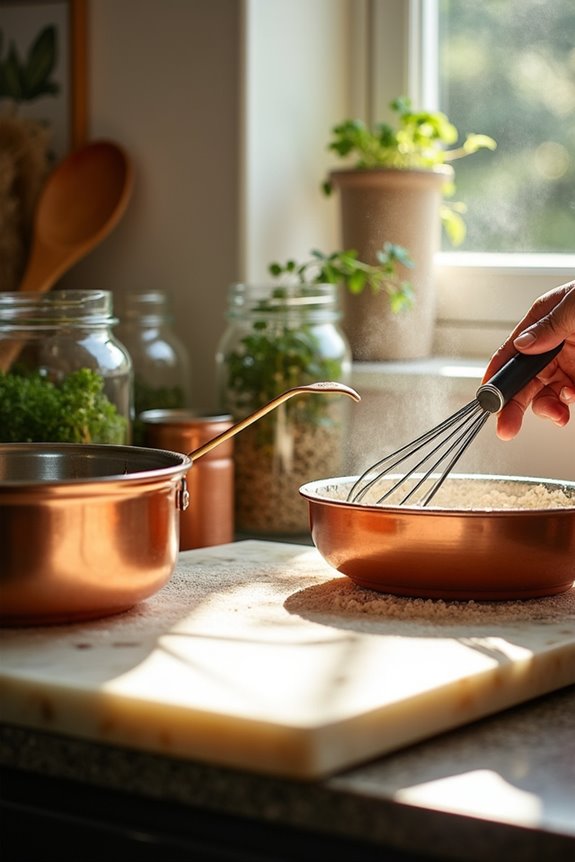
A scratch kitchen—where cooks build meals from raw ingredients rather than relying on shortcuts—represents a fundamental shift in how food gets made. I’ve discovered that this approach means creating everything in-house: your own sauces, dressings, breads, and desserts from fresh ingredients, not pre-packaged versions sitting on shelves.
What draws me to scratch cooking is the control it offers. When I work with fresh ingredients, I understand exactly what’s going into each dish. There’s no mystery, no hidden preservatives. I’m using traditional techniques—chopping, sautéing, roasting, baking—to build real flavor rather than reaching for convenience products.
Many of us source locally and seasonally too, supporting farmers while enhancing taste. It’s honest cooking that connects us to our food’s origins, creating meals that genuinely nourish both body and soul.
How Scratch Kitchens Differ From Pre-Made Food
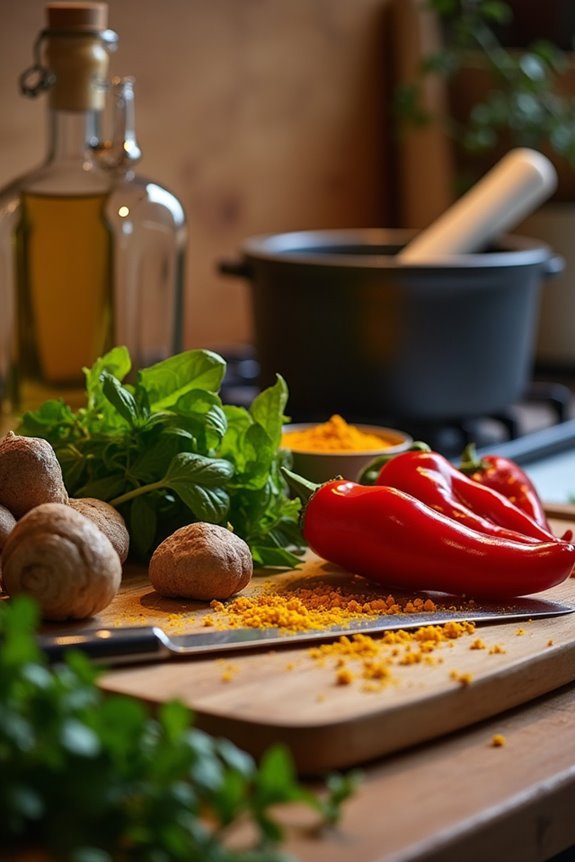
When I prepare food from scratch, I’m working with real carrots and actual chicken breasts instead of products laden with preservatives and sodium, which means I control exactly what goes into every bite. The labor is real—there’s no getting around the time it takes to dice vegetables, knead dough, and simmer stock from bones—but that extra effort lets me catch inconsistencies before they reach a plate and adjust flavors to match what my kitchen actually needs. Unlike pre-made components that vary batch to batch, I can guarantee that tonight’s sauce tastes like last week’s, because I’m making it the same way every time.
Fresh Ingredients Versus Additives
How’d you like to know exactly what’s going into your food? That’s what I love about scratch kitchens—they’re built on fresh ingredients, not additives. When I cook from scratch, I’m starting with real carrots, actual chicken, genuine herbs. There’s no mystery ingredient list hiding in a corner somewhere.
Pre-made foods rely on preservatives, thickeners, and flavor enhancers to survive their journey from factory to freezer to your plate. I skip all that. By using fresh ingredients, I control what lands on your table. No sodium surprises, no hidden sugars sneaking in through processed sauces.
You’re joining something intentional here. We’re choosing what nourishes us, building meals that taste like themselves. That’s the scratch kitchen difference.
Labor-Intensive Preparation Methods
The magic of scratch cooking lives in the work itself—the kind of labor that pre-made food simply skips over. I hand-chop vegetables into precise pieces, building texture and intention into every dish. I slow-roast proteins for hours, coaxing deep flavors that shortcuts can’t replicate. It’s deliberate, sometimes messy work—shaping dough by hand, batch-cooking stocks that simmer overnight, timing components so everything peaks together during service.
This approach demands planning. I’m thinking three days ahead, knowing when sauces need to develop and when fresh elements should come together. It’s demanding, sure, but there’s something irreplaceable about knowing exactly what goes into your food. That’s the difference: you’re not assembling; you’re creating. That commitment shows on every plate.
Quality Control and Consistency
Why does consistency matter so much in a scratch kitchen? I’ve learned that when you’re making everything from scratch, you’ve got complete control over quality. Fresh ingredients mean nothing if I can’t reproduce the same delicious result twice.
I rely on precise recipes and trained staff to nail consistency, even during chaotic dinner rushes. Just-in-time preparation keeps dishes at peak freshness, and made-to-order plating reduces those frustrating variations that come from holding food too long.
| Control Method | Fresh Approach | Result |
|---|---|---|
| Measured portions | Local sourcing | Uniform quality |
| Standardized recipes | In-house prep | Reliable flavor |
| Trained techniques | Batch tracking | Consistent texture |
Speed-scratch components help me maintain that from-scratch integrity while ensuring uniform portioning. You’re not just getting a meal—you’re getting something I’ve personally vetted.
Why Scratch Cooking Matters
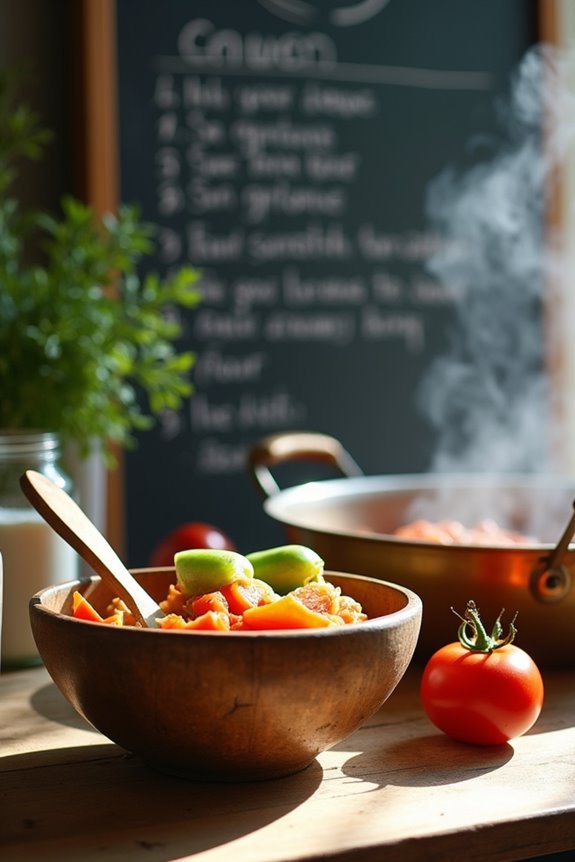
When I choose scratch cooking, I’m not just following a trend—I’m committing to quality and authenticity that you simply can’t fake with pre-made components, because I control every ingredient and technique from start to finish. This matters to your table and your community, since my choices about sourcing local produce and avoiding additives ripple outward, supporting nearby farmers and reducing the environmental footprint of what you eat. By cooking from scratch, I’m investing in something that feeds both your body and the story behind your meal.
Quality And Authenticity Standards
How’d you feel knowing exactly what’s going into your meal? That’s the heart of scratch cooking—quality and authenticity standards that matter. When I choose local sourcing and fresh ingredients, I’m not just cooking; I’m building trust with you.
I control every element, from the salt to the spices, ensuring nothing hidden lurks in my dishes. No mysterious additives or preservatives sneaking in. My sauces come from tomatoes I’ve selected, my breads from flour I’ve measured myself.
This approach means I can proudly tell you where ingredients come from, who grew them, and why they’re exceptional. You’re not getting guesswork; you’re getting transparency and care. That’s what authentic scratch cooking delivers—meals you can believe in, created with integrity and respect for your table.
Community And Sustainability Impact
There’s something profoundly connecting about knowing the person who grew your tomatoes or raised your chicken—and that’s exactly what I’m after when I source locally. When I build relationships with farmers and producers, I’m investing in my community’s resilience and sustainability goals.
Here’s what matters most to me:
- Supporting local economies by purchasing seasonal ingredients that travel fewer miles and taste fresher
- Reducing waste through repurposing scraps and using whole ingredients creatively in my kitchen
- Building food culture by educating diners about where their meals originate and why it matters
Transparency about my ingredients reinforces trust, while avoiding preservatives aligns with what health-conscious guests expect. I’ve found that scratch cooking isn’t just about better food—it’s about belonging to something larger than myself, a movement toward genuine stewardship of both land and community.
Fresh Ingredients That Define Scratch Operations
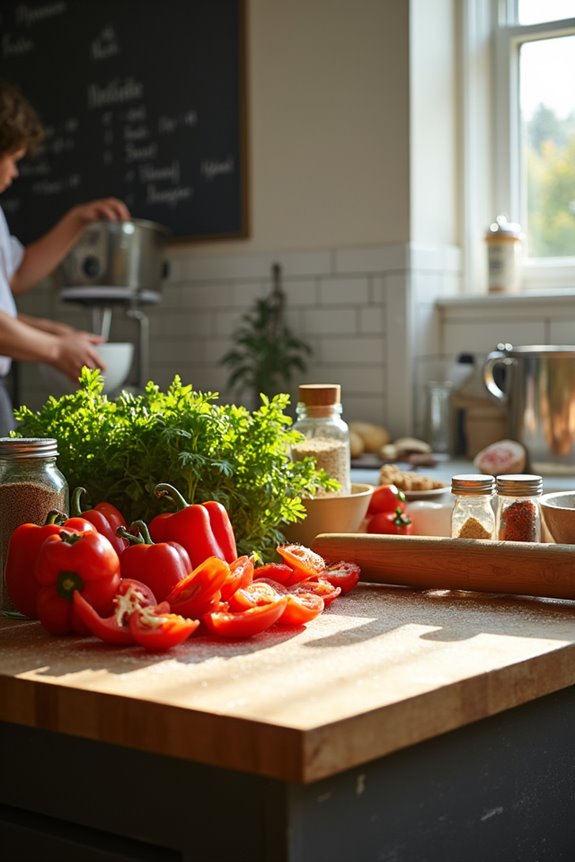
At the core of every scratch kitchen sits a simple commitment: you won’t find frozen chicken breasts in the walk-in or cans of tomato sauce gathering dust on the shelves. Instead, I’m talking about vibrant tomatoes, herbs you can actually smell, and proteins sourced from suppliers you might know by name.
This in-house preparation means everything arrives raw and ready for transformation. I work with whole onions, fresh garlic, real cream—not powdered shortcuts. When you’re building stocks from bones, crafting dressings from scratch, and kneading bread daily, you’re controlling every element that touches your plate.
That transparency matters. You know exactly what’s nourishing your body, and honestly, that knowledge tastes better than any convenience ever could.
Where Scratch Kitchens Source Their Ingredients
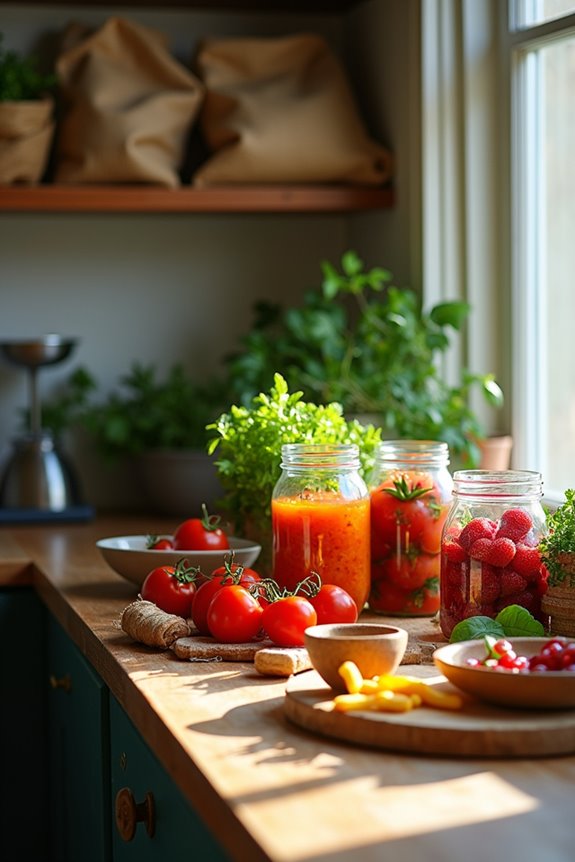
I’ve learned that scratch kitchens don’t just buy ingredients from anywhere—they build real relationships with local farmers, visiting markets early to hand-pick seasonal produce at its peak ripeness and flavor. When I source this way, I’m not just getting better tomatoes or fresher herbs; I’m supporting my community’s agricultural roots and ensuring nothing unnecessary sits in storage. Many scratch operations, including mine, seek out organic and sustainable sources because we believe that what goes into our dishes matters as much as the skill we use to prepare them.
Local Farming Partnerships
How do scratch kitchens keep their ingredients so vibrant and flavorful? The answer lies in our farm partnerships and local sourcing practices. I’ve discovered that working directly with nearby farmers transforms how we cook and what we serve you.
Here’s what makes these relationships so valuable:
- Just-in-time deliveries ensure produce arrives at peak ripeness, capturing flavors you won’t find in conventional restaurants
- Seasonal menus reflect what’s growing now, meaning dishes taste authentically delicious rather than forced
- Transparency about origin lets you know exactly which farm grew your tomatoes or raised your chicken
These collaborations support our regional economy while reducing transit time from field to your plate. When I source organic options and region-specific products, I’m investing in quality you can taste. You’re not just eating; you’re joining a community of people who value integrity and freshness.
Seasonal Produce Selection
When you walk into a scratch kitchen in summer, you’ll notice something striking: the menu’s bursting with tomatoes, zucchini, and berries in ways you won’t see come winter. That’s because I source seasonal produce directly from local farms, adjusting dishes to match what’s freshest each season. This approach isn’t just about flavor—though vibrant, peak-season vegetables genuinely taste better—it’s practical too. By working with nearby growers, I reduce storage needs and capitalize on natural price fluctuations that help manage costs. You’ll taste the difference: tender spring peas, juicy autumn apples, crisp winter squash. When seasonal produce arrives at my kitchen, I’m building menus around nature’s rhythm, creating dishes that feel both nourishing and connected to where you live.
Organic And Sustainable Sources
Where do the ingredients in my scratch kitchen actually come from? I’ve built relationships with local farmers who understand my commitment to quality, and honestly, it’s transformed how I cook. I prioritize organic and sustainable sources because they’re better for you and our community.
Here’s what I focus on:
- Pesticide-free produce directly from local farmers I trust, ensuring seasonal vegetables arrive at peak freshness
- Organic certification standards that guarantee sustainable farming practices without harmful chemicals
- Transparent sourcing policies so you know exactly where your food originates
When I work with seasonal produce from these conscientious growers, I’m not just serving dinner—I’m supporting regional agriculture. You’re part of something meaningful when you eat here. That connection matters to me.
What Scratch Kitchens Make In-House
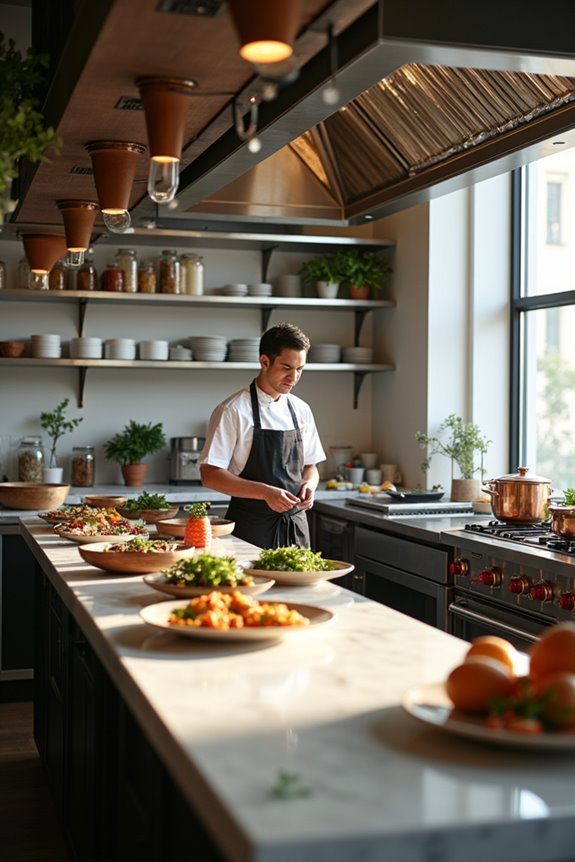
The magic of a scratch kitchen happens when you realize that nearly everything on your plate was built from the ground up—sauces simmered from bone stock, dressings whisked from raw ingredients, breads shaped by hand, desserts crafted without a mix in sight. I’ve watched kitchens transform fresh ingredients into something remarkable through in-house production that demands skill and intention.
| What We Make | Why It Matters |
|---|---|
| Stocks and broths | Deep flavor foundations |
| Dressings and vinaigrettes | Complete ingredient control |
| Breads and pastries | Peak freshness and texture |
| Sauces and condiments | No hidden additives |
| Desserts from scratch | Pure, honest ingredients |
You’re joining a community that values knowing exactly what you’re eating, where it came from, and who prepared it with care.
Speed Scratch: How Kitchens Balance Quality and Efficiency?
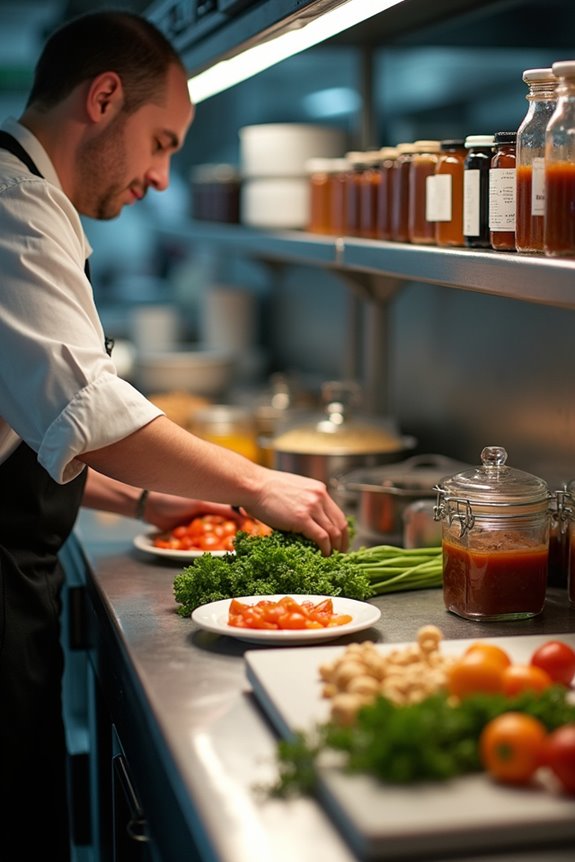
How do you serve hundreds of customers without sacrificing the care that defines scratch cooking? You embrace speed scratch, which bridges full-from-scratch and convenience by using semi-prepped ingredients. I’ve found this approach lets our scratch kitchen maintain that 90% homemade standard while meeting peak demand.
Speed scratch bridges full-from-scratch and convenience, letting scratch kitchens maintain homemade standards while meeting peak demand.
Speed scratch saves us real time through:
- Pre-cut vegetables and shredded cheese that skip tedious prep work
- Standardized protein portions that ensure consistent quality across every plate
- Partly prepared components that preserve freshness and flavor while reducing kitchen downtime
These semi-finished items aren’t shortcuts—they’re strategic tools. We’re still building dishes with care, just smarter. During busy service, speed scratch lets our team focus on what truly matters: assembling quality meals that taste genuinely made-from-scratch, because honestly, they are.
Health Benefits of Scratch Kitchen Dining
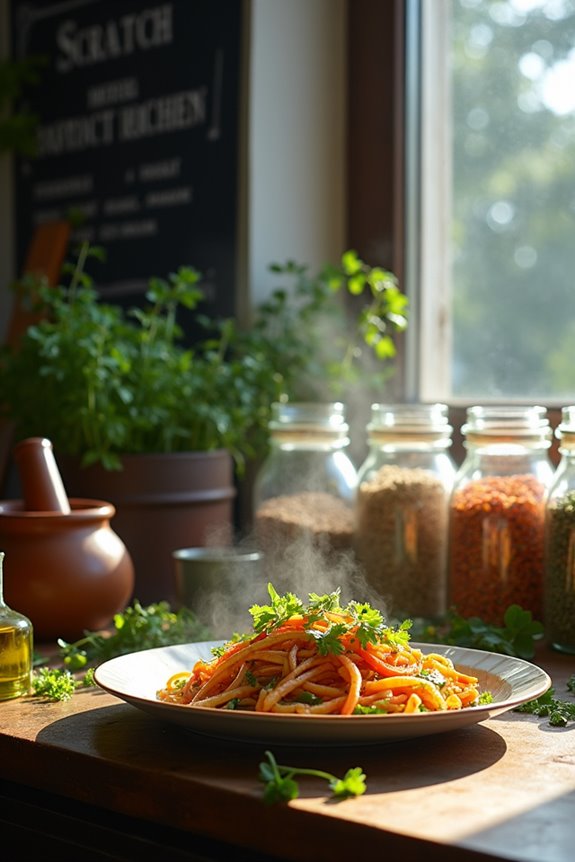
When I eat at a scratch kitchen, I’m choosing meals built from real ingredients—fresh vegetables, quality proteins, whole grains—rather than items loaded with preservatives and additives that my body doesn’t need. I’ve noticed that controlling what goes into my food means I’m actually getting the vitamins and minerals that matter, plus I can dial back the salt and sugar to levels that feel right for me. It’s this combination of nutritional quality and wellness that makes scratch kitchen dining feel like I’m genuinely investing in my health, one meal at a time.
Nutritional Quality And Wellness
We wonder why we feel so much better when we know exactly what’s going into our bodies? That’s the magic of scratch kitchens. When I choose fresh ingredients and prepare meals from scratch, I’m not just feeding myself—I’m investing in genuine wellness.
Here’s what happens when I commit to this approach:
- My body receives whole foods without artificial additives, boosting my energy and mental clarity
- I retain more nutrients from vegetables and lean proteins compared to processed alternatives
- I control sodium and sugar levels while discovering seasonal flavors that nourish deeply
This transparent ingredient control transforms how I feel physically and emotionally. I’m part of a community that values real food, honest preparation, and the confidence that comes with knowing exactly what’s nourishing my body each day.
Fresh Ingredients Reduce Harmful Additives
I’ve noticed that homemade meals don’t leave me feeling sluggish. That’s because whole foods retain their natural nutrients and vitamins, unlike their processed counterparts that lose nutritional value during manufacturing. By avoiding additives, I’m also consuming considerably less sodium and hidden sugars, which commonly mask the true taste of food.
There’s something profoundly reassuring about knowing exactly what’s in my meal. That transparency transforms eating from mere consumption into genuine nourishment.
Avoiding Additives Through Scratch Cooking
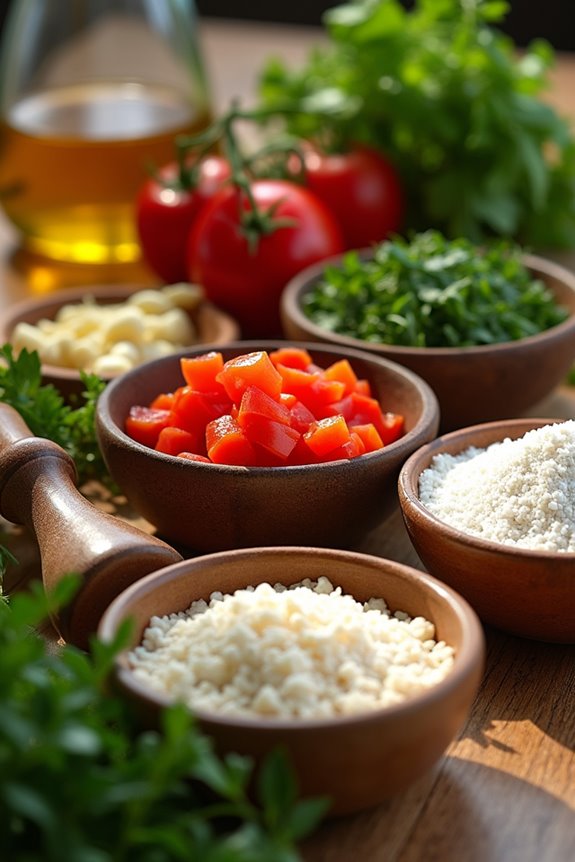
How do you know what’s actually in your food? When I prepare meals from fresh ingredients through in-house preparation, I control every component that reaches your plate. Here’s what makes this approach transformative:
- I eliminate pre-made mixes that hide artificial additives, colorants, and preservatives
- I craft sauces, dressings, and breads from raw components, ensuring transparency
- I source whole ingredients that require minimal processing
How Scratch Kitchens Customize for Dietary Needs
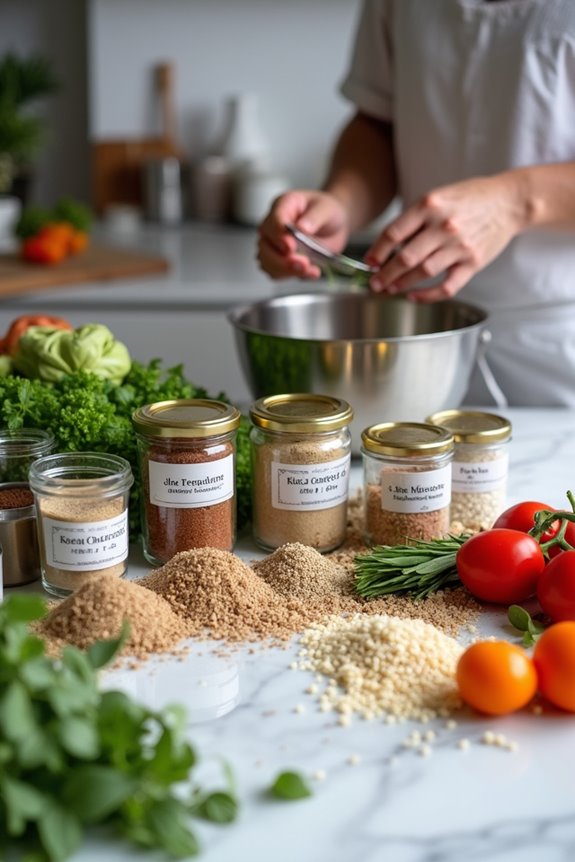
When someone tells me they’re gluten-free, vegan, allergic to tree nuts, or following any other dietary restriction, I don’t see limitations—I see an opportunity to create something genuinely tailored to them. That’s what scratch kitchens do best. We collaborate with you to design menus that honor your dietary needs without sacrificing flavor or quality. I source fresh ingredients with clean labels, so you’ll know exactly what’s in every bite. Through private tastings and thoughtful menu development, we ensure each dish aligns with your restrictions and preferences. Whether you’re navigating multiple allergies or specific lifestyle choices, scratch kitchens treat your dietary needs as essential to the experience, not an afterthought—because you deserve to feel welcomed at every meal.
Staff Training: The Hidden Cost of Scratch
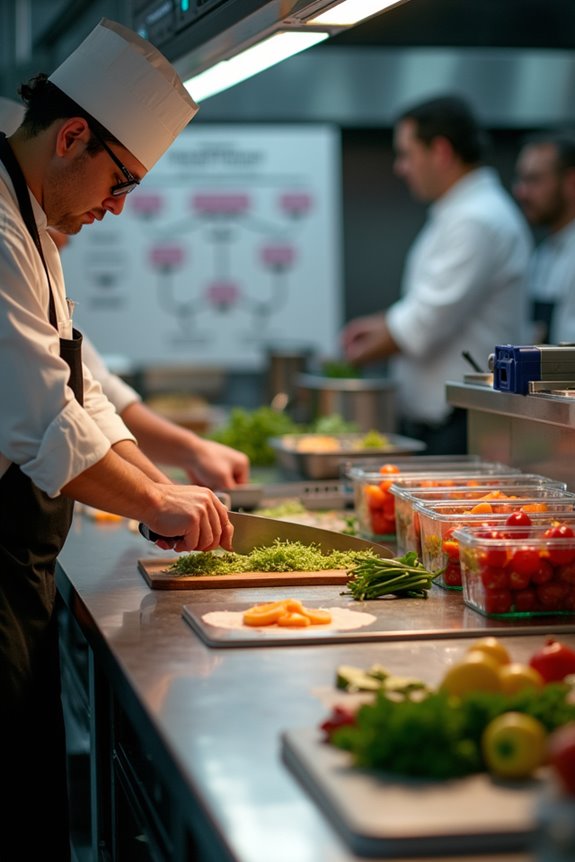
Behind every perfectly seared piece of fish or silky beurre blanc that arrives at your table sits months of training, practice, and investment that most diners never see. I’ve watched skilled chefs dedicate themselves to mastering the craft, and it’s genuinely remarkable.
Behind every perfectly seared dish sits months of training and dedication that most diners never witness.
Here’s what this commitment looks like:
- Mastering techniques – Staff learn to create sauces, stocks, breads, and dressings from scratch, understanding each component’s role
- Managing fresh ingredients – Training covers safe handling, precise portioning, and minimizing waste through proper prep
- Maintaining consistency – Temperature control and rotation practices ensure peak freshness without shortcuts
This intensive training increases labor costs significantly. Ongoing professional development—tastings, menu testing, cross-training—keeps our team sharp and authentic. When you dine with us, you’re experiencing the result of genuine culinary dedication.
Is Scratch Kitchen Dining Worth the Cost?
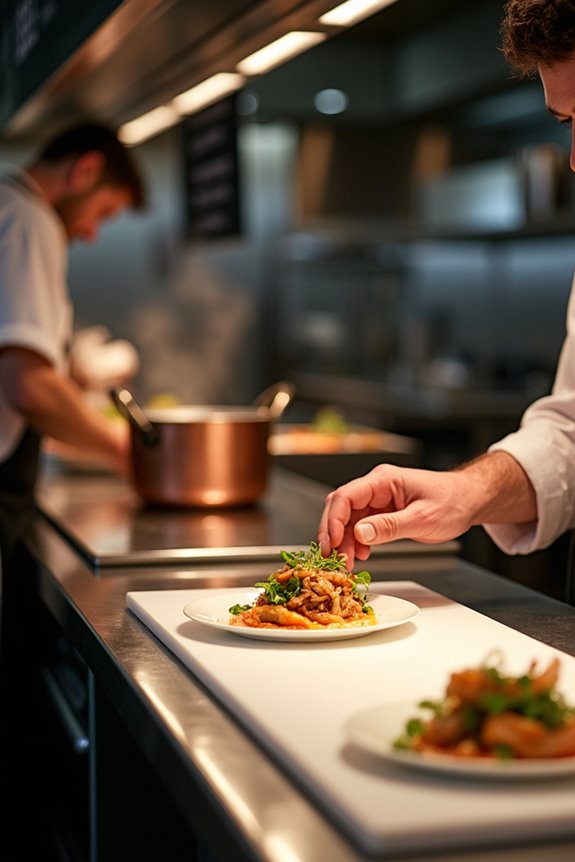
Why do we pay more for a meal made from scratch when we could grab something faster and cheaper elsewhere? I’ve found that fresh ingredients and from-scratch cooking deliver something you can’t replicate—genuine flavor and quality that resonates. You’re not just eating; you’re tasting a chef’s intention, their craft reflected in every bite. When restaurants build meals from scratch, they control what goes into your plate, making dietary accommodations seamless. The premium cost reflects skilled labor, superior ingredients, and the ability to customize your experience. Sure, it costs more upfront, but the depth of flavor and nutritional value justify the investment for those seeking authentic dining. You’re paying for transparency, care, and a culinary story worth telling.
How Do Scratch Kitchens Maintain Consistency Without Cutting Corners?

How do restaurants keep their from-scratch dishes tasting exactly the same every single time you visit?
I’ve discovered that scratch kitchens rely on deliberate systems rather than luck. Here’s what I’ve learned separates consistency from compromise:
- Standardized recipes and ingredient specs – Detailed procedures and strict sourcing ensure uniform flavor and texture across every plate
- Quality assurance tastings – Regular menu trials and guest feedback loops help fine-tune processes before issues arise
- Just-in-time preparation – Reliable supplier relationships guarantee peak-quality ingredients arrive fresh, eliminating variability from aged or pre-prepped items
Cross-trained staff execute these methods identically, while batch control manages high-volume events seamlessly. I’ve noticed that strategically using speed scratch components preserves recipe integrity without sacrificing quality. This approach means you’re getting consistent excellence—not shortcuts masquerading as authenticity.
How to Spot a Real Scratch Kitchen
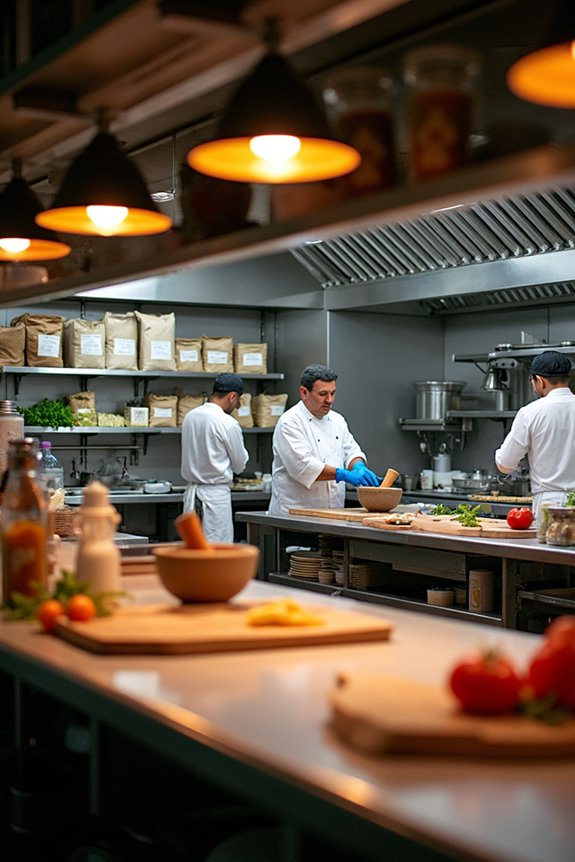
I’ve learned to ask simple questions that reveal everything. When you inquire about their stocks, breads, and dressings, authentic kitchens light up explaining their processes. They’ll tell you about yesterday’s roasted bones simmering for hours, or how they proof their sourdough overnight.
| What to Ask | Real Answer | Red Flag |
|---|---|---|
| Bread source | Baked daily in-house | “From our supplier” |
| Sauce prep | Made fresh each shift | Pre-portioned containers |
| Desserts | Prepared from scratch | Thawed from freezer |
| Meat handling | Butchered whole | Pre-trimmed portions |
| Menu changes | Seasonal, ingredient-driven | Static year-round |
Trust kitchens where fresh ingredients and prepared-from-scratch practices aren’t marketing—they’re simply how they operate.