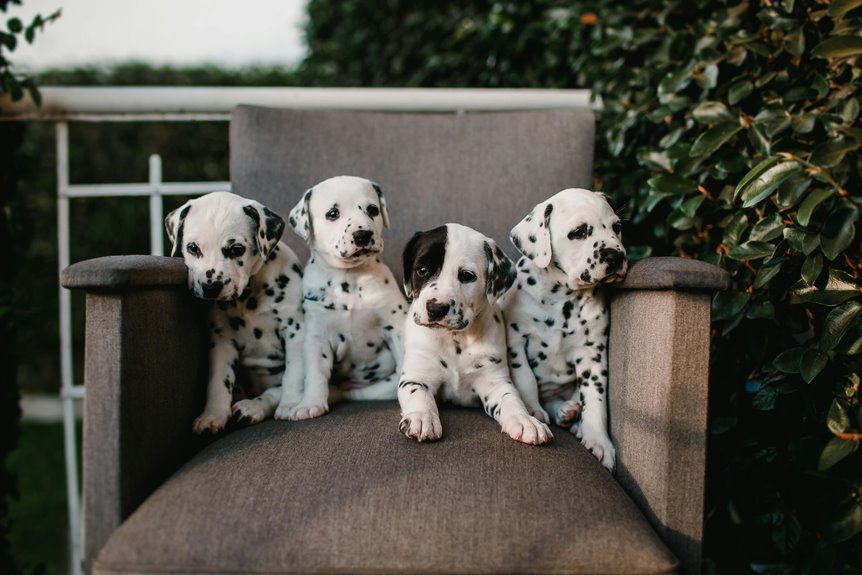
A backyard breeder prioritizes quick cash over your puppy’s health, skipping genetic testing and buyer screening entirely. I’ll help you spot them: they avoid questions about your lifestyle, hide the parents, pressure you into fast sales, and offer year-round availability with no waiting lists. Real breeders ask tough questions, invite kennel visits, provide health clearances, and stay involved after purchase. The difference matters—backyard-bred puppies often develop serious health and behavioral problems that’ll drain your wallet and heart. Understanding what separates responsible breeders from profit-driven operations is crucial before you commit.
What Is a Backyard Breeder?
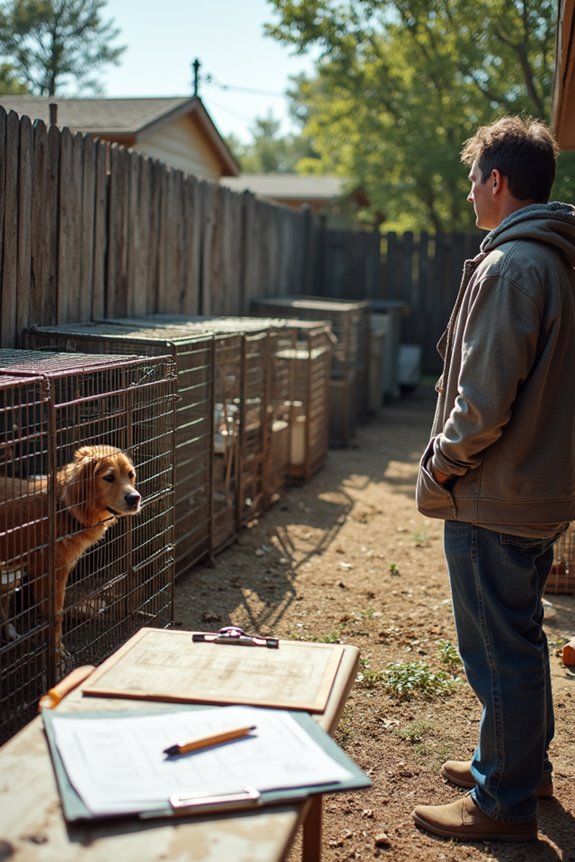
Why do some breeders seem more interested in profit than in producing healthy, well-adjusted puppies? That’s the question I asked myself when I first learned about backyard breeders. These are individuals who prioritize making money over their dogs’ wellbeing or breed quality. I’ve discovered they often produce litters without securing homes first, which floods shelters and rescues with unwanted puppies. What troubled me most was learning they typically ignore health and temperament screening entirely. Unlike responsible breeders who carefully plan each litter, backyard breeders skip formal vetting processes. Their puppies frequently develop behavioral and health issues that devastate families. Understanding this distinction helped me recognize why choosing your puppy’s source truly matters for everyone involved.
What Motivates Backyard Breeders: Profit Over Welfare
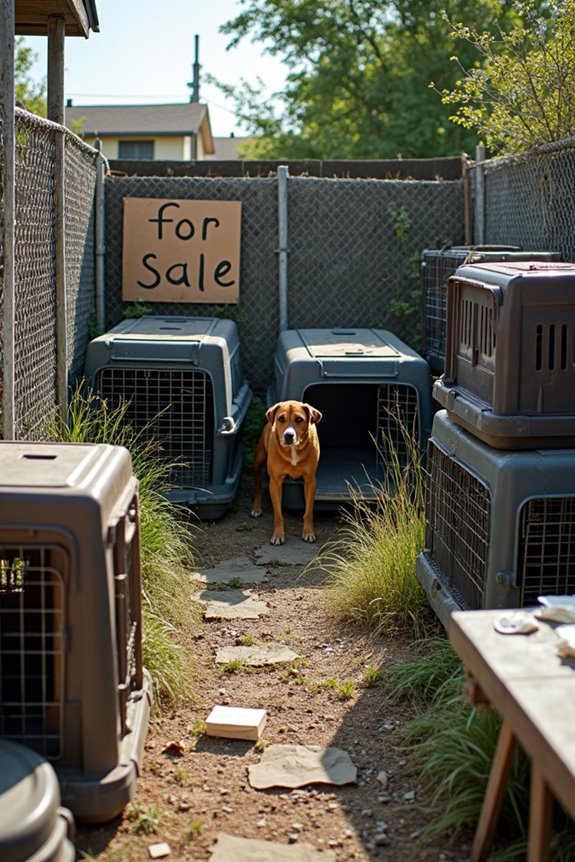
I’ve noticed that backyard breeders operate with one primary goal in mind—making money quickly, and they’ll cut corners on health testing, genetic screening, and proper breed standards to maximize their profits. They’re not concerned with whether puppies find forever homes or develop serious health issues down the line; they’re focused on churning out as many litters as possible, breeding dogs year-round without rest or consideration for the parents’ wellbeing. What troubles me most is how they prioritize closing a sale over ensuring you’re a suitable match for the puppy, skipping thorough buyer screening because they’d rather pocket cash than ensure their animals land in responsible hands.
Financial Gain Over Health
At the core of backyard breeding sits a simple, troubling reality: money talks louder than a puppy’s wellbeing. I’ve seen irresponsible breeders skip veterinary checkups, health clearances, and preventive care because these expenses cut into profits. They’re not thinking about your puppy’s future or their mother’s exhaustion—they’re calculating how many litters they can produce annually.
When you’re buying from someone like this, you’re essentially funding a system that prioritizes immediate cash flow. They’ll rush puppies out before eight weeks, bypass proper socialization, and ignore genetic health screening. I understand the appeal of finding an affordable puppy quickly, but these shortcuts don’t save money—they transfer costs and heartbreak directly to you. You deserve better. Your future companion deserves better.
Mass Production For Profit
How many puppies can one dog produce in a year? When you’re driven purely by profit, the answer becomes your business plan. I’ve noticed that backyard breeders—essentially operating like puppy mills—prioritize volume over everything else. They breed continuously, churning out litter after litter without regard for the parents’ health or recovery time. It’s a numbers game where more puppies equals more income. You’ll find these operations advertise year-round availability with no waiting lists, a major red flag. They’re not carefully planning breedings; they’re maximizing output. This relentless cycle exhausts breeding dogs and floods the market with puppies from questionable backgrounds. When you’re shopping for your next companion, remember: responsible breeders have waiting lists because they care about matching the right puppy with the right home. That’s the difference.
Prioritizing Sales Over Welfare
When you’re looking to bring home a puppy, you’ll want to recognize that backyard breeders operate with fundamentally different priorities than responsible ones—and it all comes down to money. I’ve seen how a backyard breeder skips the essential homework—they won’t screen your home or ask whether you’re truly ready for a long-term commitment. Instead, they’re pushing you toward a quick sale, offering puppies year-round with barely any waiting list. They’ll discourage visits to meet parents or see their facilities, avoiding questions that responsible breeders welcome. You won’t get references or ongoing support after purchase. This isn’t neglect—it’s strategy. When profit drives every decision, your puppy’s future becomes secondary to their bottom line.
Warning Signs: A Breeder Who Doesn’t Ask Questions
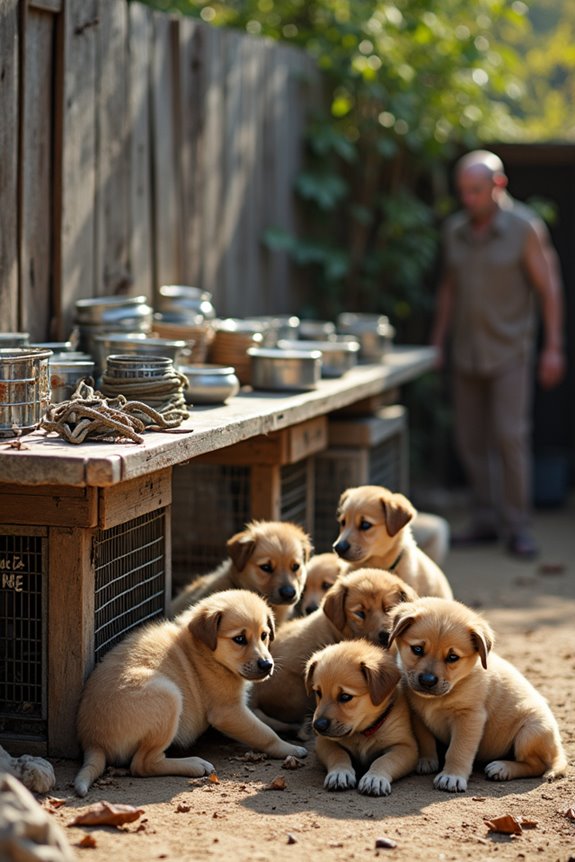
When I started my breeder search, I quickly noticed that reputable breeders peppered me with questions—about my home setup, my work schedule, whether I’d owned dogs before—while backyard breeders seemed ready to hand over a puppy the moment I showed interest. That lack of screening concerned me because it suggested they cared more about making a quick sale than ensuring their puppies landed in suitable homes. I learned that a breeder who doesn’t ask about your lifestyle, experience, or living situation is essentially telling you they haven’t invested themselves in their dogs’ futures.
Lack Of Pre-Adoption Screening
Why’d you decide on getting a puppy? When I found myself asking that question, I realized responsible breeders would ask it too. I’ve learned that legitimate breeders ask detailed questions about your home, lifestyle, and experience with dogs. They want to know about your yard, daily routines, and whether you can meet a puppy’s needs. When a breeder doesn’t ask anything, I see red flags immediately. That silence suggests they’re focused on quick sales rather than ensuring a good match. Without pre-adoption screening, they can’t assess whether you’ll provide proper socialization, training, or veterinary care. I understand wanting to adopt quickly, but that lack of questioning removes an important safeguard—one that protects both puppies and families from unsuitable placements.
Quick Sale Over Compatibility
How many questions should a breeder ask before letting you take home a puppy? Honestly, quite a few. When I met with responsible breeders, they peppered me with questions about my living situation, experience with dogs, and long-term plans. An irresponsible breeder, though, skips this entirely.
I’ve noticed that quick-sale breeders prioritize speed over compatibility. They’re eager to hand over a puppy without understanding your lifestyle, yard access, or training history. This approach signals they’re more interested in profit than placement.
When a seller doesn’t ask about your other pets or living space, that’s your cue to walk away. These breeders aren’t screening homes because they don’t care where puppies end up. That indifference often leads to puppies struggling in unsuitable environments later.
Missing Lifestyle And Experience Inquiries
A truly responsible breeder will grill you like they’re vetting a job candidate, but a backyard breeder? They’ll barely ask your name before handing over a puppy. I’ve learned this matters tremendously because a breeder’s questions reveal their intentions. When someone doesn’t inquire about your yard space, living situation, or how you’ll exercise and train your pup, that’s a major warning sign. These questions aren’t nosiness—they’re accountability. A breeder who skips them signals they’re focused on quick sales rather than finding compatible homes. They won’t ask about your prior dog experience either, which means they’re not ensuring you can handle socialization and training needs. That absence of screening tells you everything: misaligned motives and reduced responsibility for the puppy’s future.
Spotting a Breeder Without Breed Expertise
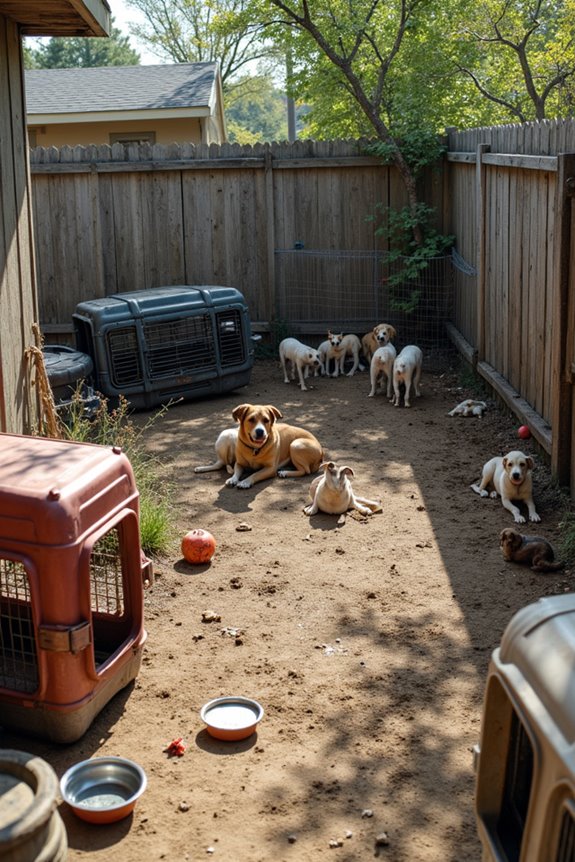
When you’re talking with a potential breeder, here’s something I’ve noticed: the ones who truly know their breed can rattle off specific health concerns, temperament quirks, and genetic predispositions like they’re reciting their own family history. A backyard breeder expertise gap shows immediately through vague answers. They’ll give you generic descriptions instead of naming breed-specific conditions—hip dysplasia rates, eye problems, or behavioral tendencies unique to that line.
Real breeders discuss their breed’s nuances with confidence backed by experience. They’ll explain why early socialization matters for *their* dogs, what behavioral traits you should expect, and which health screenings matter most. If someone claims to know everything yet can’t detail these specifics, that’s your red flag. You’re looking for depth, not just claims. That specificity tells you they’ve genuinely invested time understanding what makes their breed tick.
Red Flag: Hidden Parents and Restricted Kennel Access
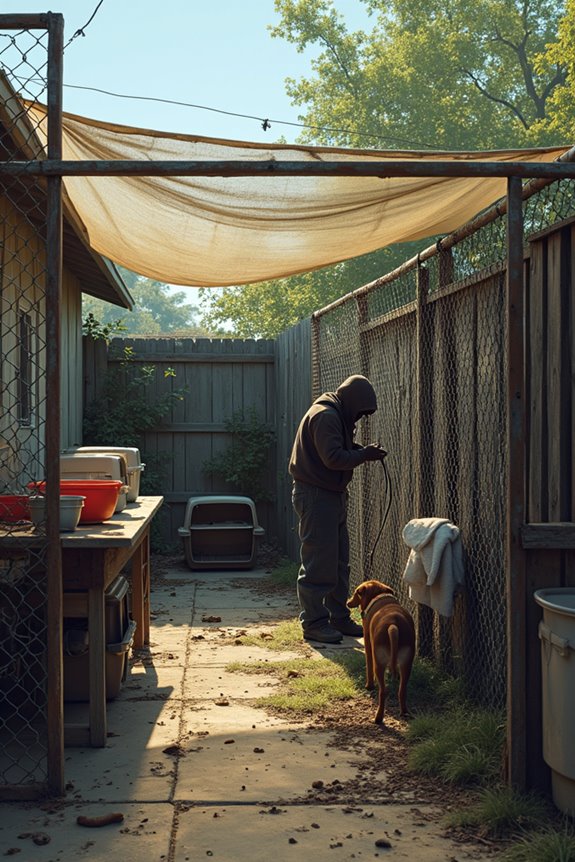
One of the biggest red flags I’ve noticed when researching breeders is when they won’t let you visit the kennels or meet the puppy’s parents in person—responsible breeders actively encourage this because they’re proud of their dogs and their facilities. When a breeder restricts your access or only sends you photos or videos, you’re left guessing about the parents’ actual temperament, living conditions, and whether those health clearances they mention are even legitimate. I’ve learned that hidden parents often mean hidden problems, whether that’s genetic issues, behavioral concerns, or the simple fact that the breeding environment isn’t something they want you to see.
Parents’ Health and Temperament
Transparency about a puppy’s parents tells you almost everything you need to know about a breeder’s credibility. I’ve learned that responsible breeders willingly share health clearances and encourage you to meet both mom and dad. When I ask about parents’ health and temperament, I’m checking for genetic red flags and behavioral traits that’ll shape my future companion.
| What to Ask | Red Flag | Green Light |
|---|---|---|
| Health clearances | Vague or missing | Two-generation documentation |
| Parent temperament | Defensive responses | Honest, detailed descriptions |
| Kennel visits | Restricted access | Open invitations anytime |
| Genetic testing | None completed | Breed-specific screening results |
| Medical history | Undisclosed issues | Transparent, documented records |
Reputable breeders want you feeling confident about your choice. They’ll show you everything because they’ve got nothing to hide.
Kennel Transparency and Access
Beyond asking the right questions about parents’ health, I’ve found that actually *seeing* the kennel speaks volumes about a breeder’s integrity. When someone welcomes you to visit, showing you clean pens and adequate space where puppies play, that transparency builds trust. I’ve learned to be cautious when breeders resist meeting requests or keep their operations hidden. They’ll offer excuses—sanitation concerns, scheduling conflicts—but reputable breeders understand that openness matters. You deserve to meet both parents, observe their temperament firsthand, and see where your puppy’s been raised. When a breeder restricts access, it signals they’re hiding something. Those willing to show you everything, answer your questions honestly, and introduce you to mom and dad? That’s someone genuinely invested in responsible breeding.
Pressure Tactics and Rushed Sales
Have you ever felt that knot in your stomach when someone’s pushing you to decide right now, this instant, before you’ve had time to think?
That’s exactly how backyard breeders operate. I’ve learned they’ll use phrases like “limited litter” or “first-come, first-served” to manufacture urgency, pressuring you into a quick decision. They’ll avoid discussing your home, experience, or readiness—questions that actually matter. Instead, they’d rather rush you toward the sale.
Backyard breeders manufacture urgency with “limited litter” tactics, avoiding questions about your home and experience to rush the sale.
What concerns me most? They’ll often push puppies before eight weeks old, skipping crucial bonding and socialization periods. When you ask about parents or health records, they deflect. They’ll insist their breed’s “perfect” for you without knowing anything about you.
Trust your instincts. Legitimate breeders want the right match, not just a fast transaction. Take your time.
Backyard Breeders Have Puppies Year-Round Without Waiting Lists

When I’m searching for a puppy, I’ve noticed that reputable breeders typically have waiting lists stretching months ahead, while backyard breeders seem to have puppies available constantly, no matter the season. This year-round availability isn’t a convenient coincidence—it signals they’re breeding frequently without pause, prioritizing quick sales over carefully planned litters and health screenings. If I find a breeder with puppies always in stock and no waitlist to speak of, that’s a clear warning sign they’re cutting corners on the welfare and quality I should expect.
Continuous Breeding Operations
One thing that distinguishes backyard breeders from responsible ones is their apparently endless supply of puppies, available almost any time you call. I’ve noticed that these operations breed continuously, prioritizing quantity over the welfare of their dogs. They’ll have multiple litters from the same mother within short timeframes, which exhausts her body and compromises puppy health.
What concerns me most is that backyard breeders don’t plan homes before birth. They breed first, then scramble to find buyers afterward. This approach means puppies often end up in unsuitable situations or abandoned when adoptions fall through. When you’re searching for your next family member, this constant availability might seem convenient, but it’s actually a major red flag that signals an operation more focused on profit than on ensuring each puppy finds a genuinely permanent, loving home.
Absence Of Waiting Periods
Beyond the relentless breeding cycles I mentioned earlier, there’s another telltale sign that really gets my attention: backyard breeders almost always have puppies ready to go, right now, with no waiting list in sight.
Here’s what you’ll notice:
- Puppies available immediately without application or home screening
- Pressure to decide quickly, bypassing health evaluations
- No opportunity to meet parent dogs or assess living conditions
I’ve learned that reputable breeders typically maintain waiting lists, which gives them time to match puppies thoughtfully with families. Backyard breeders, however, prioritize quick sales over careful placement. When someone tells me puppies are perpetually in stock, I recognize it signals profit-driven operations rather than genuine care. That absence of waiting periods? It’s your signal to look elsewhere and connect with breeders who genuinely value where their puppies end up.
Backyard Breeders Breed Multiple Dog Types to Appeal to More Buyers
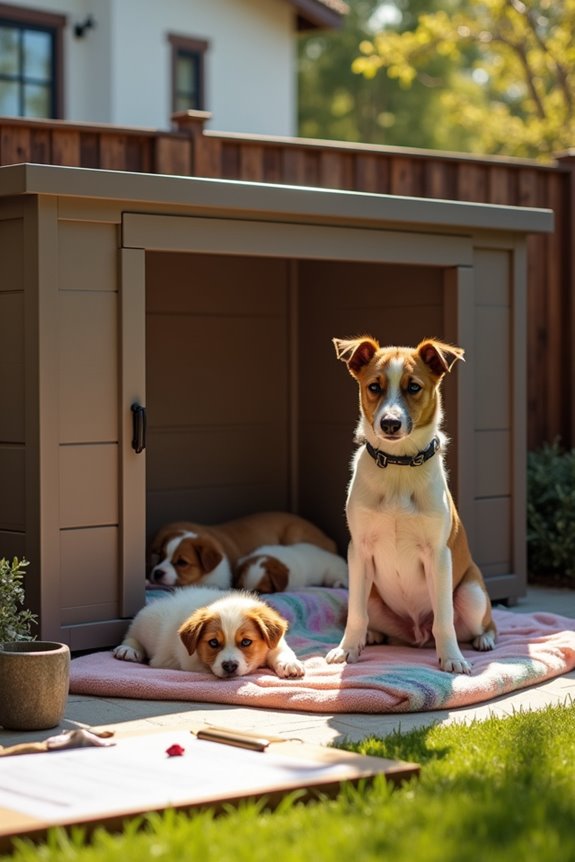
How many dog breeds can one person responsibly raise at the same time? I’ve noticed that backyard breeders often juggle multiple breeds simultaneously—Golden Retrievers, French Bulldogs, Dachshunds—all in pursuit of broader appeal and larger profits. When I investigate their advertisements, I see dozens of litters listed without detailed lineage information, which raises red flags.
This scattered approach signals misplaced priorities. Breeding responsibly demands deep knowledge of each breed’s specific health vulnerabilities and temperament traits. I’ve learned that when breeders stretch themselves across too many types, health screening inevitably suffers. The quality of care diminishes, genetic issues go unaddressed, and each breed receives insufficient attention.
If you’re searching for your next companion, I’d encourage you to find someone focused. A dedicated breeder typically specializes in one or two breeds they genuinely understand and champion.
Backyard Breeders Sell Puppies Online, Through Pet Stores, or Sight Unseen
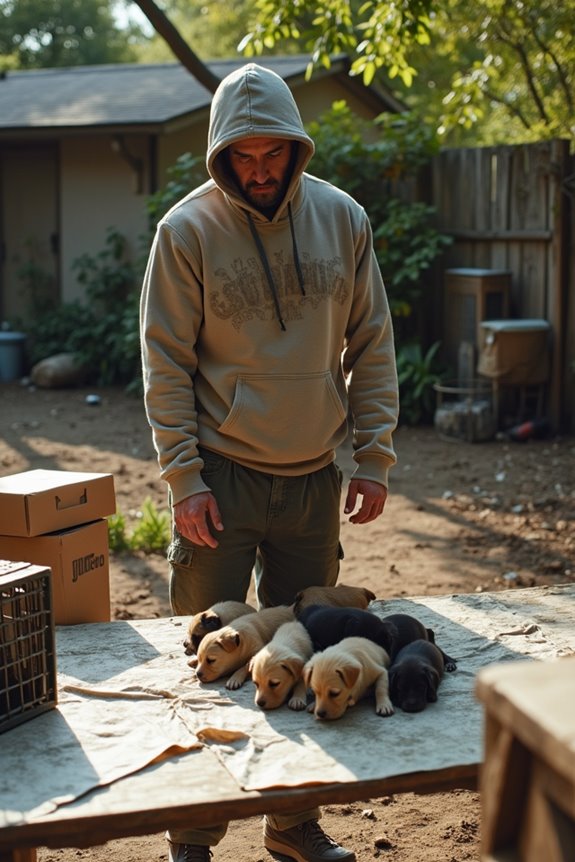
While a breeder’s willingness to specialize shows they’re serious about their work, there’s another telltale sign that separates responsible breeders from those cutting corners: where and how they sell their puppies.
Where and how a breeder sells puppies reveals whether they’re cutting corners or running a responsible operation.
I’ve noticed that backyard breeders rely heavily on convenient but concerning sales channels:
- Online listings with minimal photos or vague descriptions
- Pet store partnerships that disconnect you from the breeder entirely
- Sight-unseen purchases where you never meet the parents
When I’m evaluating a breeder, I ask myself: Can I visit in person? Can I see where puppies live? These aren’t unreasonable demands—they’re essential safeguards. Reputable breeders actually *want* you visiting their kennels, meeting parents, and asking tough questions. They’ll provide references and health clearances willingly. If someone’s hesitant about transparency, that’s your signal to keep looking.
No Spay/Neuter Contracts or Health Guarantees
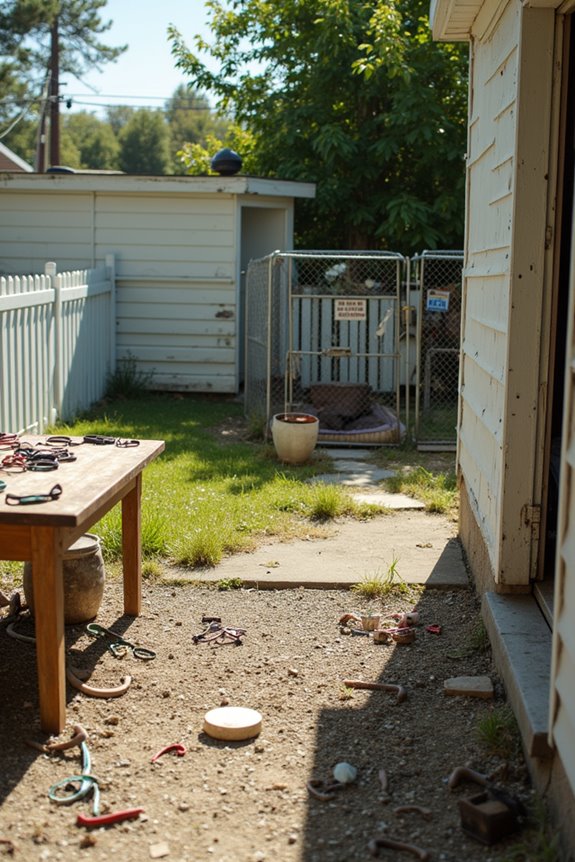
The absence of formal agreements is where I see backyard breeders’ true priorities revealed. When you’re considering a puppy, you’ll notice reputable breeders offer written spay/neuter contracts and comprehensive health guarantees backed by veterinary documentation. Backyard breeders? They’ll often skip these entirely or offer vague, conditional agreements that won’t protect you.
This matters because without spay/neuter obligations, puppies can contribute to overpopulation. You’re left vulnerable to unexpected health issues that become your financial burden. Those conditional contracts provide little real protection when problems arise.
I’d encourage you to ask breeders directly about their written agreements before committing. You deserve clear, enforceable protections—not hollow promises. It’s how responsible breeders show they genuinely care about their puppies’ futures and your peace of mind.
No Post-Purchase Support or Guidance
When you bring a puppy home, does the breeder still answer your calls, or do they vanish like they’ve never heard of you?
Reputable breeders offer comprehensive after-sale support, while backyard breeders typically don’t. I’ve found that responsible breeders stand behind their puppies with:
- Written after-care information covering vaccinations, microchip details, and health guarantees
- Ongoing guidance for behavior, training, and medical concerns
- Follow-up check-ins showing genuine investment in your puppy’s wellbeing
When a breeder won’t answer follow-up questions or provide resources, that’s a serious red flag. You’re not just buying a puppy; you’re joining a community of support. References from past buyers and willingness to help troubleshoot problems signal a breeder who truly cares. That after-sale support matters enormously when you’re navigating new puppy parenthood.
Health Defects and Behavior Issues Common in Backyard-Bred Dogs
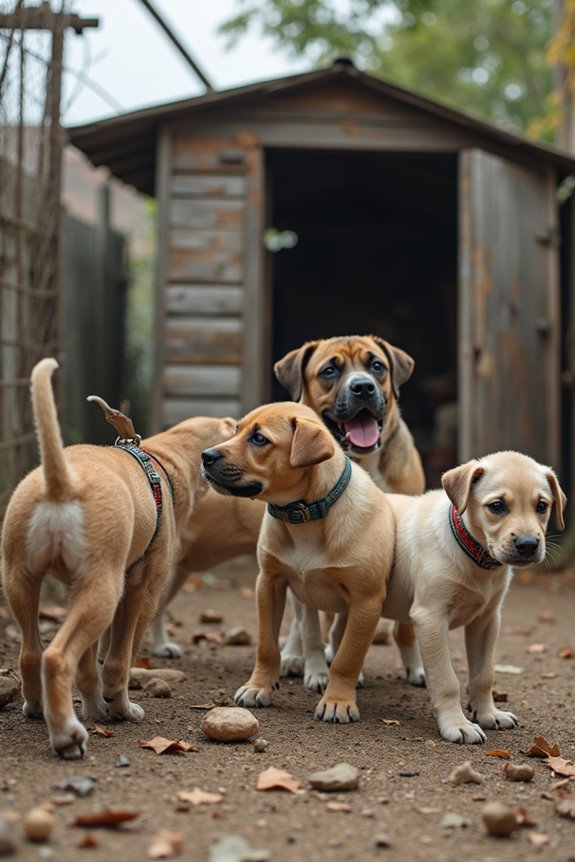
Beyond the lack of support you’ll face after bringing your puppy home, you’re also inheriting a much higher chance of serious health and behavioral problems that can haunt your dog for years. I’ve seen firsthand how breeders who skip genetic screening leave puppies vulnerable to devastating conditions.
| Health Issue | Cause | Impact |
|---|---|---|
| Hip dysplasia | Poor genetic screening | Chronic pain, mobility loss |
| Parvovirus | Unsanitary conditions | Life-threatening illness |
| Fear and aggression | Early maternal separation | Behavioral struggles |
These aren’t minor inconveniences—they’re expensive, heartbreaking realities. Backyard breeders don’t test parents for hereditary defects, so you’re essentially gambling with your dog’s future. Your puppy might develop parasitic infections or congenital eye problems as they mature. When you join our community of responsible pet owners, you’re choosing a healthier path forward.
When Backyard-Bred Dogs Land in Shelters: The Cascade Effect
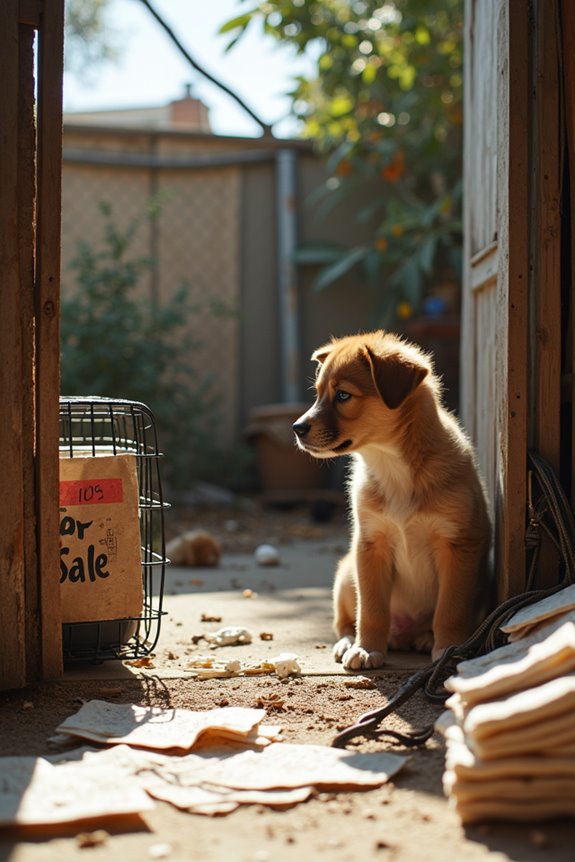
How many puppies do you think end up abandoned each year because they weren’t planned for in the first place? When backyard breeding floods the market with unplanned litters, shelters absorb the fallout. I’ve seen firsthand how this cascade effect overwhelms facilities designed to help dogs already in crisis.
Here’s what happens:
- Initial poor breeding increases unwanted animals, raising shelter intake dramatically
- Young, unplanned litters from irresponsible breeders accelerate surrenders and stray admissions
- Shelters stretch resources thin caring for mothers, puppies, and medical needs
When you choose adoption over supporting backyard breeding, you’re directly reducing shelter crowding. You’re helping rescuers focus on dogs already vulnerable. By understanding this cascade, you join a community prioritizing genuine animal welfare over profit-driven practices. That choice matters more than you might realize.
Your Better Options: Reputable Breeders and Rescues Explained
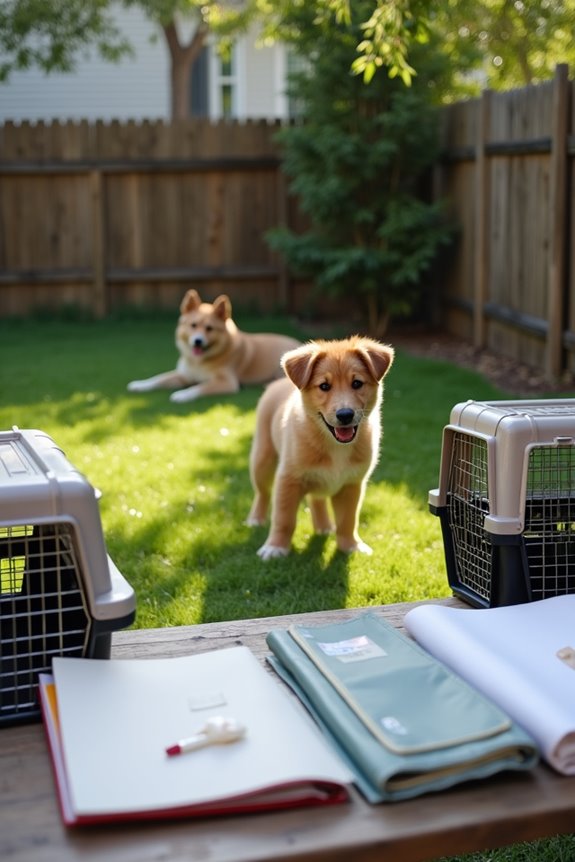
Now that you understand how backyard breeding cascades through shelters and communities, you’re probably wondering where to actually find a puppy responsibly.
A reputable breeder welcomes you into their home and introduces you to both parents, letting you assess their health and temperament firsthand. They’ll show you health clearances spanning two generations and answer your questions openly about socialization and care. You’ll find they screen adopters carefully, asking about your lifestyle and experience because they genuinely care where their puppies land.
What sets them apart? They’re accessible after the sale, offering guidance on training, behavior, and health whenever you need it. References from past clients speak volumes. They’re invested in your puppy’s entire life, not just the transaction.
Resources for Reporting Backyard Breeders and Supporting Shelter Animals
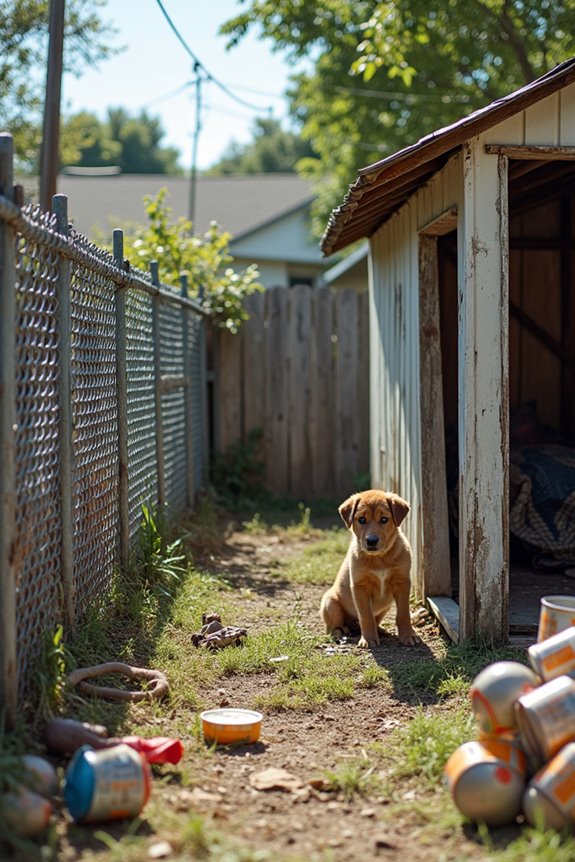
Once you’ve spotted the warning signs of a backyard breeder, you might feel frustrated or even angry—and that reaction can actually fuel positive change.
I’ve found that taking action transforms your concern into community impact. You can report suspected backyard breeders to local animal control, breed clubs, or humane societies who investigate violations. Beyond reporting, I support shelters by volunteering, donating, or adopting—giving animals second chances.
Consider these meaningful ways to help:
- Report suspected breeders to authorities equipped to enforce animal welfare laws
- Promote adoption through social media, conversations, and personal example
- Support spay/neuter programs that reduce demand fueling irresponsible breeding
When we collectively resist backyard breeders and champion rescues, we’re protecting animal welfare while strengthening our communities. Your voice genuinely matters in this movement toward responsible pet ownership.